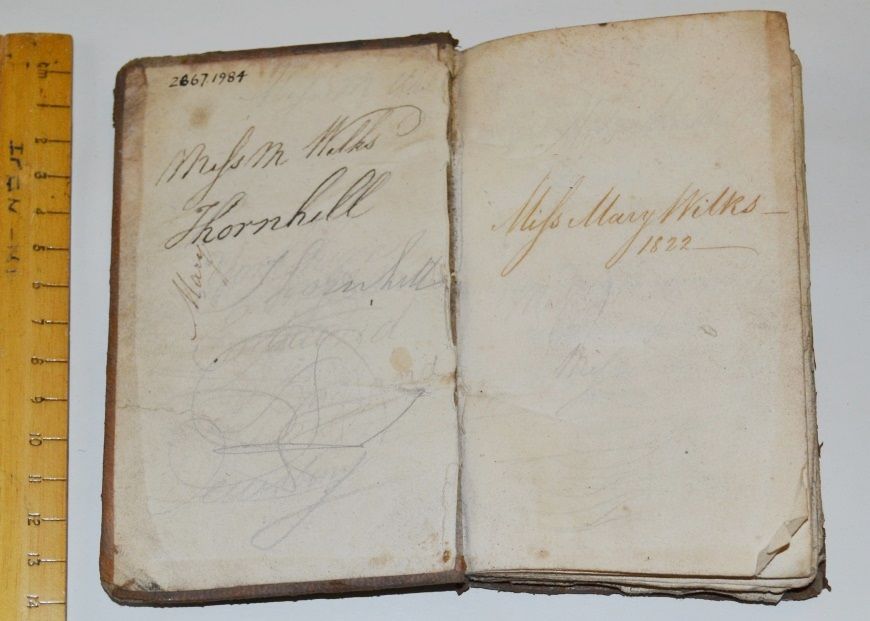
In 1825, Oakwell Hall became a boarding school. Mrs Wilks, who had been running a girls’ school in Dewsbury, moved her school to the Hall. Later, from the 1830s to the 1850s, Mrs Hannah Cockill ran a school for girls there. The Cockills were related to Ellen Nussey, a close friend of the famous author Charlotte Brontë.
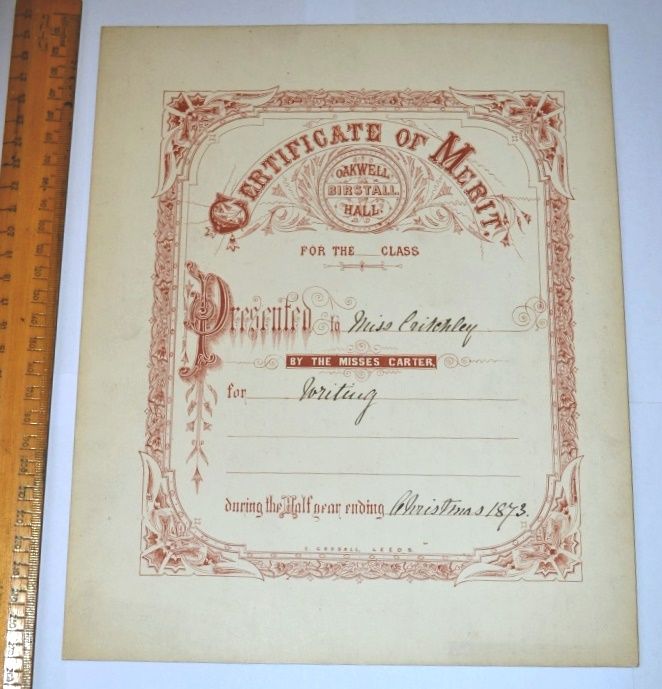
In 1860, the Hall became a school for boys, run by Henry Millard. Later in the 1860s, it returned to being a girls’ school, this time managed by the Carter sisters.
In 1883, while one of the Carter sisters, Susan, slept in the Great Parlour Chamber, a storm blew a chimney through the roof. Luckily, Miss Carter was unharmed, as she and her bed fell safely into the room below.
Charlotte Brontë
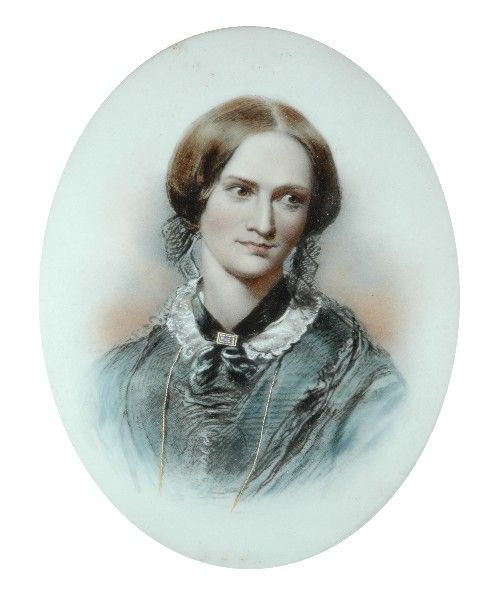
Charlotte Brontë’s novel Shirley is set in and around the Spen Valley, where she visited friends in Gomersal and Birstall during the 1830s. She published the book in 1849 under the pen name Currer Bell.
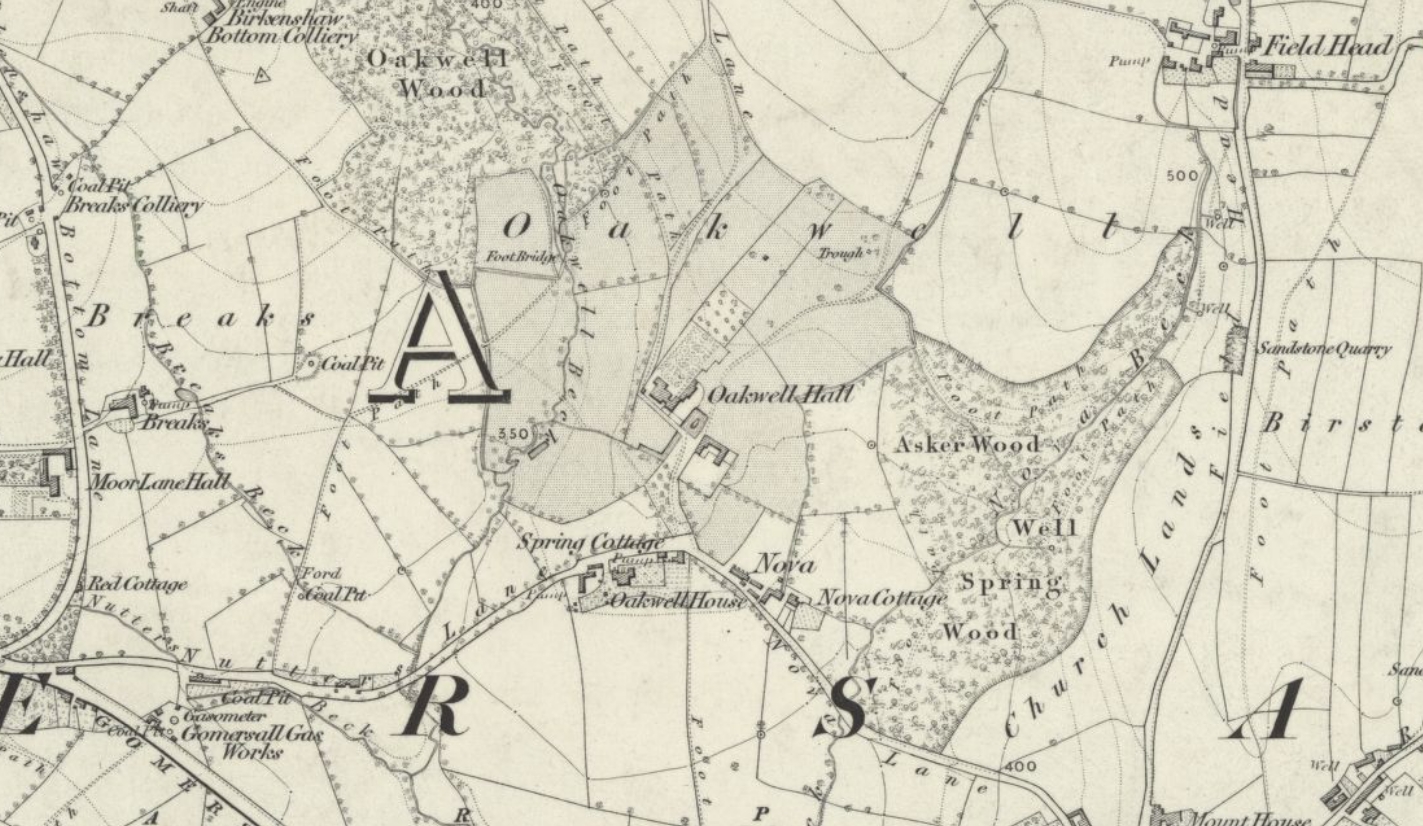
In the novel, Oakwell Hall appears as “Fieldhead,” the home of the heroine, Shirley Keeldar. The nearby village of Birstall is called “Briarfield.” Charlotte described Fieldhead as:
"It was neither a grand nor a comfortable house; within as without it was antique, rambling and incommodious." Charlotte Brontë's description of 'Fieldhead' (Oakwell Hall) in her novel 'Shirley'.
The story of Shirley takes place in 1812, during the time of the Luddites. These were workers who protested against new machines in local mills that threatened their jobs. Charlotte learned about the Luddites from her father, Patrick Brontë, who lived nearby in Hartshead, close to a Luddite meeting place.