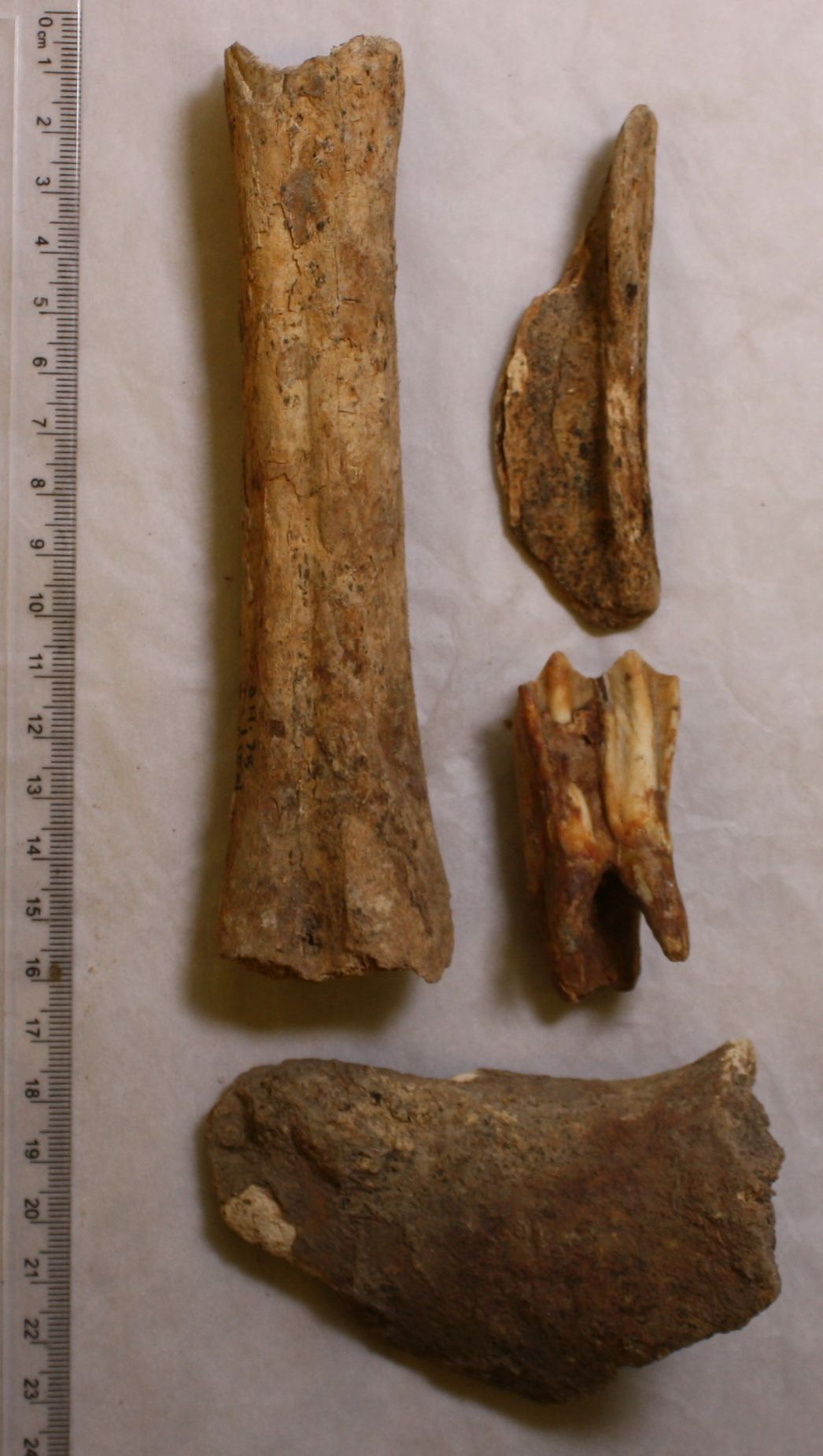
After the Norman Conquest in 1066, the land where Oakwell Hall now stands was owned by a Norman family called the Tillys. In medieval times, Oakwell was a small farming community. The earliest house on the site was made of timber. Archaeologists have found foundations from the 14th and 15th centuries, which may have been part of a kitchen and bakehouse. They also discovered evidence of a moat, parts of which can still be seen in the watercourses today.
Many centuries later, in 1565 during the reign of Queen Elizabeth I, the estate was bought by Henry Batt. Henry became notorious locally for several crimes. He was involved in a plot to control the land of the infant heiress of the Rayner family in Liversedge, taking bribes and manipulating her relatives to gain power over the estate. He is also said to have stolen the great bell from Birstall parish church and melted it down for his own profit; torn down the Chantry House to take the stones; and misused money meant to support schooling for poor children. After Henry’s death, an official inquisition found him guilty, and his heirs were ordered to make amends through fines and a small annual endowment for the school.
In 1572, Henry’s son John Batt inherited the estate. He demolished the old timber house and farm buildings and, in 1583, began to build the stone hall that formed the base which still stands today.