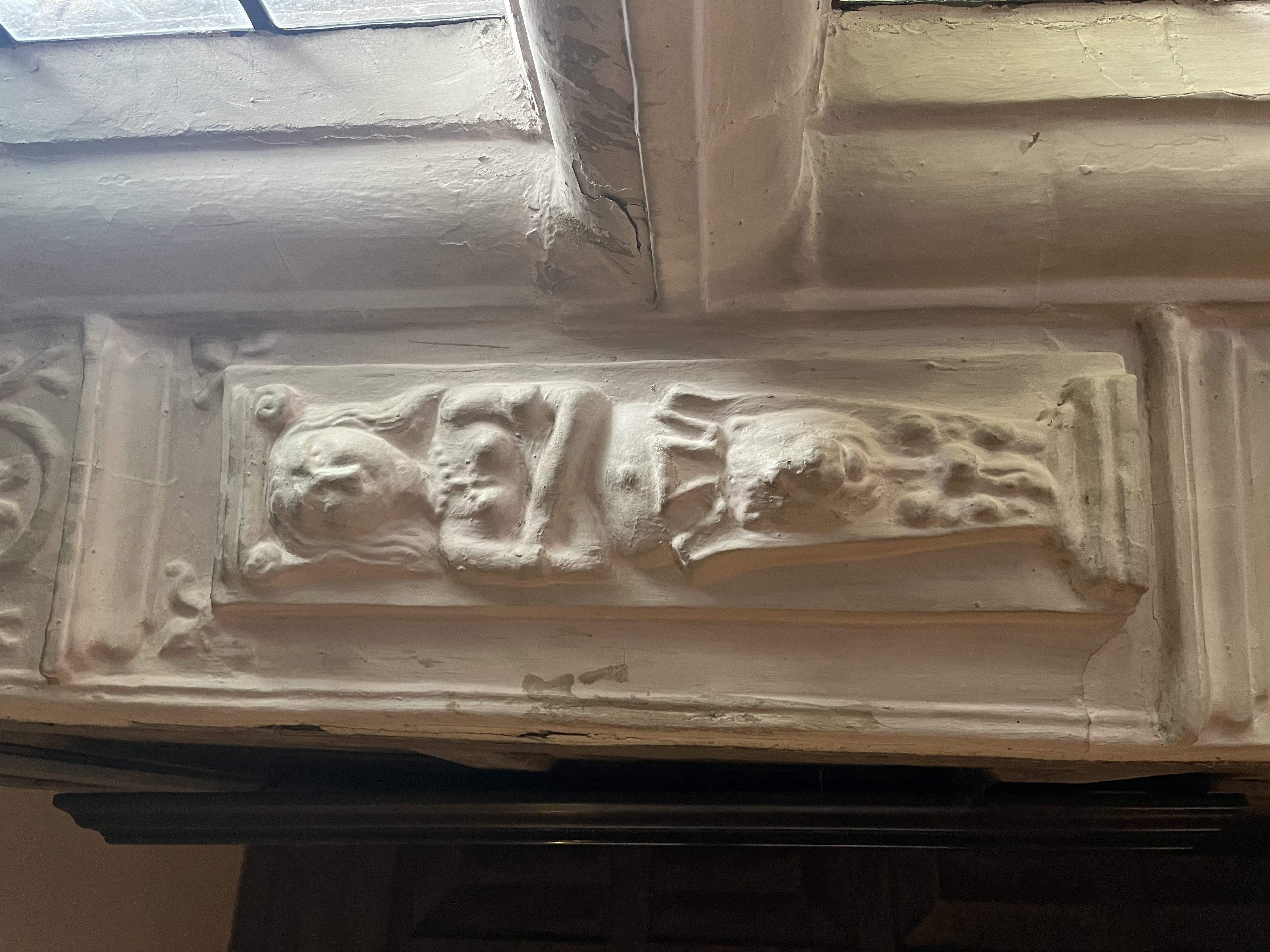
In the mid-1600s, John Batt’s grandson (also called John) made improvements to Oakwell Hall to reflect his growing status. He probably removed the “hall chamber” above the Great Hall and added the large hall window that can still be seen today. The original open hearth at the east end of the hall was replaced by a fireplace in the north wall, and a new chimney stack was built. The northwest wing may also date from this time, adding extra service rooms, along with the stair tower. By now, classical decoration had become fashionable across England, and even local builders used these motifs at Oakwell, for example, the carved female figure (caryatid) on the side of the Great Parlour windows. This offers an insight into what the ceiling would have been like before it was destroyed.
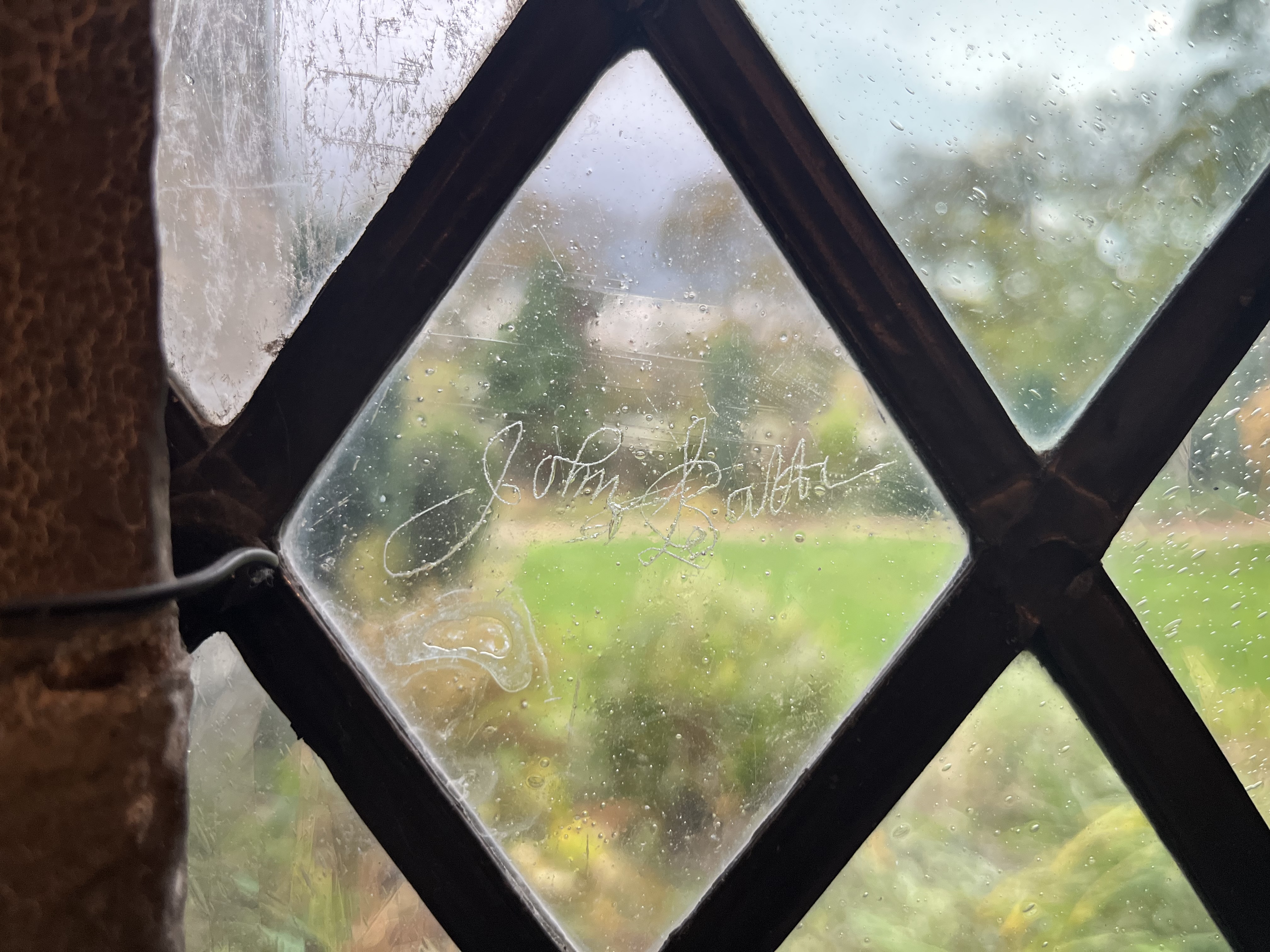
The Batts’ wealth was growing in the early 17th century, but this period of prosperity ended with the outbreak of the English Civil Wars in 1642. The country was divided between the Royalists, who supported King Charles I, and the Parliamentarians, who opposed him. John Batt II supported the King and fought as a Royalist officer. He was at the Battle of Adwalton Moor in 1643, where the Royalists were victorious. Parliamentarian troops fled past Oakwell itself, down Warren Lane, during their retreat.
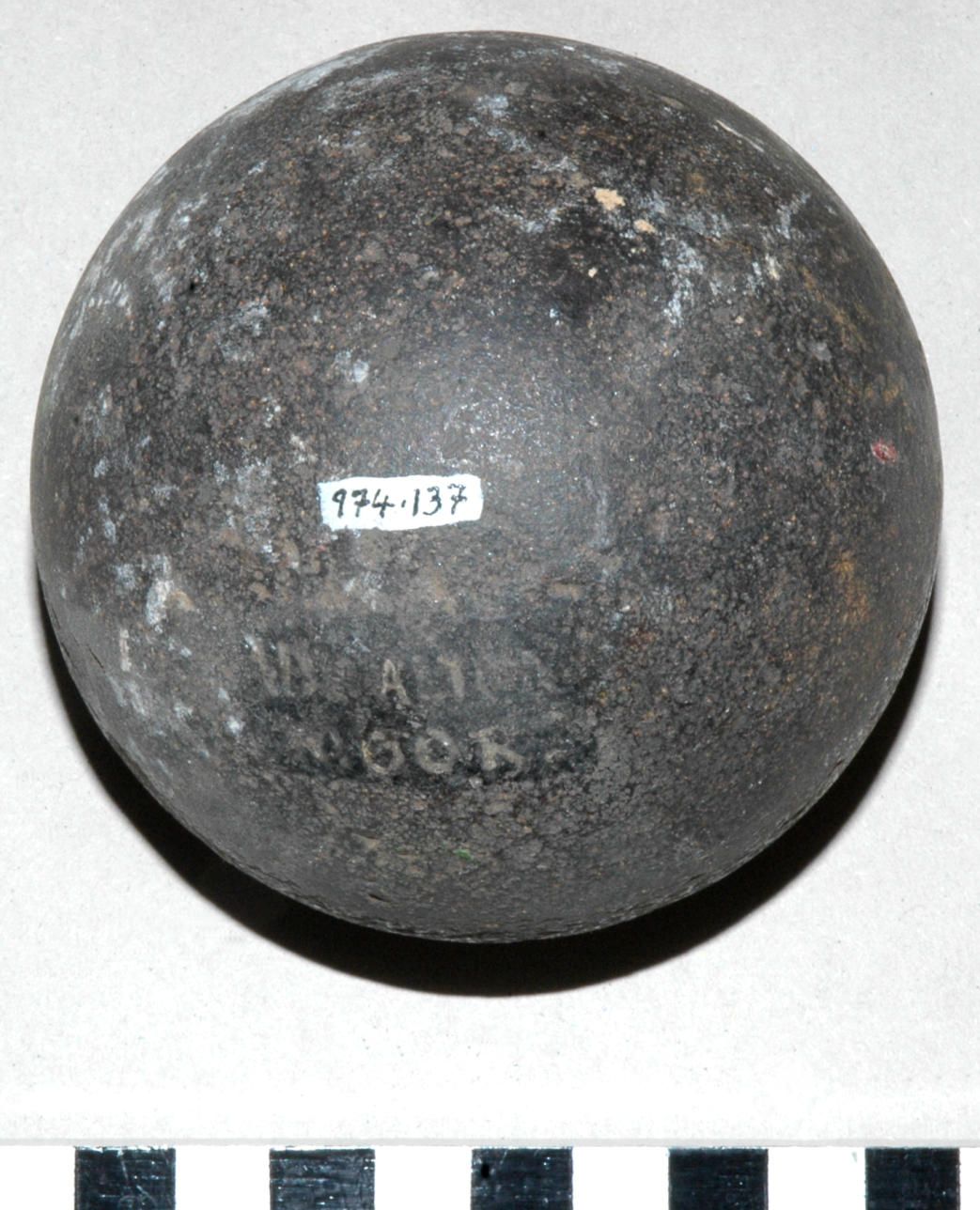
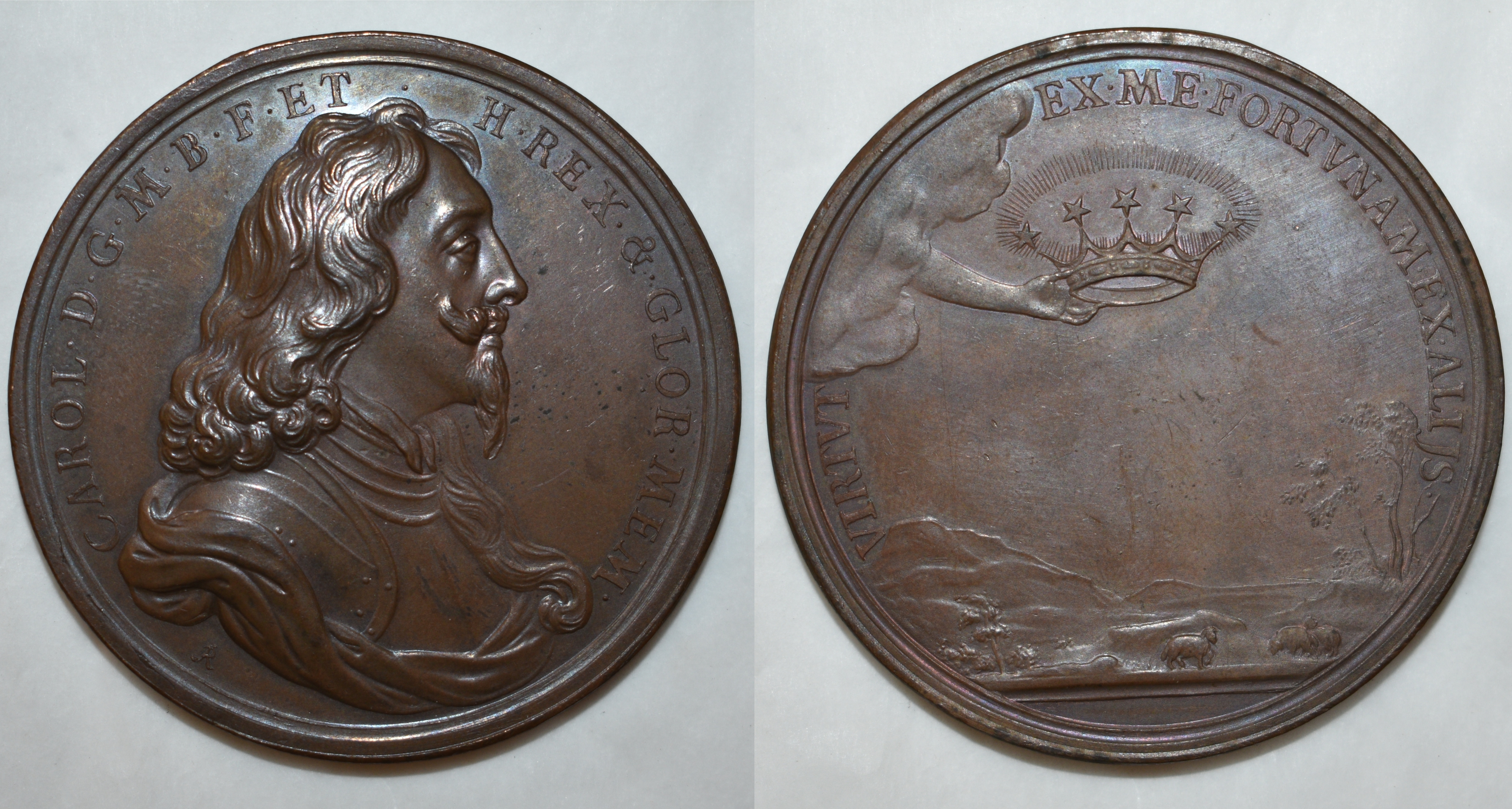
However, fortunes soon turned. In 1644, the Royalists were heavily defeated at the Battle of Marston Moor near York. It was one of the largest battles of the war and a major turning point in Parliament’s favour. Afterward, John Batt surrendered to protect his family. His estates were sequestered, taken under the control of Parliament. In 1649, the same year that King Charles I was executed, John Batt had to pay a fine of £364 to reclaim his lands. Despite regaining his property, his family’s fortunes never fully recovered, and he eventually travelled to Virginia in America to try to rebuild his wealth.
The story of the Batt family in Virginia shows how English gentry extended their influence across the Atlantic during the 1600s. Members of the family acquired nearly 6,000 acres of land through the head-right system, which rewarded settlers for transporting people to the colony. Like many wealthy landowners in colonial Virginia, the Batts became involved in slavery. Records show that Thomas Batt’s estate included enslaved people who were transferred to others, and later wills listed enslaved men and women by name as part of family inheritance. This reveals how land, wealth and slavery were closely linked in colonial society and provides a clear example of how English families helped to build and profit from systems of slavery in America.
Records suggest that John Batt died “in parts beyond the seas.” The later generations of Batts also faced difficulties. In 1684, William Batt, John’s grandson, died in London at the age of just 25 after fighting a duel to settle gambling debts. Oakwell then passed to his brother, John Batt, who married late in life at York Minster. He and his wife, Henrietta Metcalf, had no children, and when he died in 1707 the direct Batt family line came to an end.
The end of a chapter
John Batt died in 1707 and the estate passed to his wife Henrietta. She remarried John Smythe of Heath, Wakefield. After inheriting Oakwell Hall, Henrietta's life and activities at the estate are not well-documented.
She lived during a period of social and political change in England, with the early 18th century marked by the aftermath of the Glorious Revolution and the establishment of the Hanoverian monarchy. However, few records survive about her time at Oakwell Hall and her role in managing the estate. This lack of documentation reflects broader social issues, where women’s work and authority were often overlooked or undervalued in historical records. In the early 1700s, it was unusual for women to own large estates, though it did happen, often when a husband died without a male heir.
Henrietta Batt inherited Oakwell Hall in 1707 and would have been responsible for overseeing the property and its income. While she may not have managed the day-to-day farming or building work herself, she would have needed to make decisions about tenants, rents, repairs, and household staff. Henrietta died in 1740, passing the estate to John’s three sisters.
The Fearnley family acquired Oakwell Hall in 1747 when solicitor Benjamin Fearnley purchased the estate. Fearnley borrowed heavily to purchase Oakwell Hall, and when he died, his son Fairfax was eventually forced to sell it in 1789. From then on, it was owned by a series of absentee landlords who rented it out. This, plus the financial difficulties of the last Batt owners, meant no substantial changes were made to Oakwell Hall from the mid-17th century, which is why it is such a wonderfully preserved example of a manor house from that period.