How a person’s body is treated after death will depend on cultural, religious, and practical factors, as well as personal choice.
Before the 1950s most people in the UK died at home and the body was often looked after in the house by family members. Today most people die in hospitals or care homes as death becomes more medicalised and removed from everyday life. In the UK there are many cultures and faith groups who care for the dead in different ways, often involving family and community members.
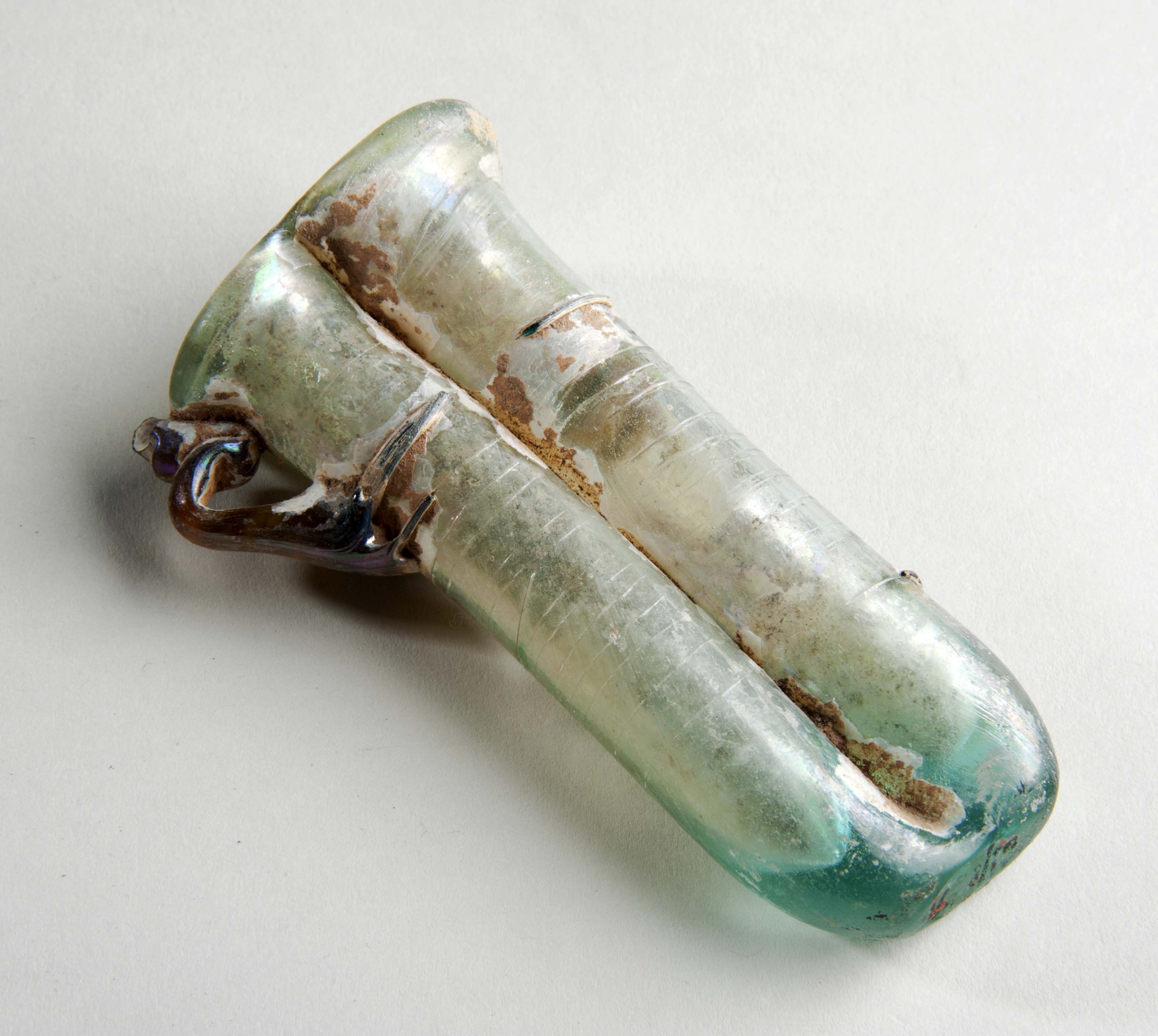
People have been burying and cremating the dead for thousands of years. In the UK cemeteries are an integral part of the landscape although burying the dead has declined in popularity. Nearly 80% of people now choose to be cremated. Ashes can then be scattered in a meaningful place, buried, or kept at home.
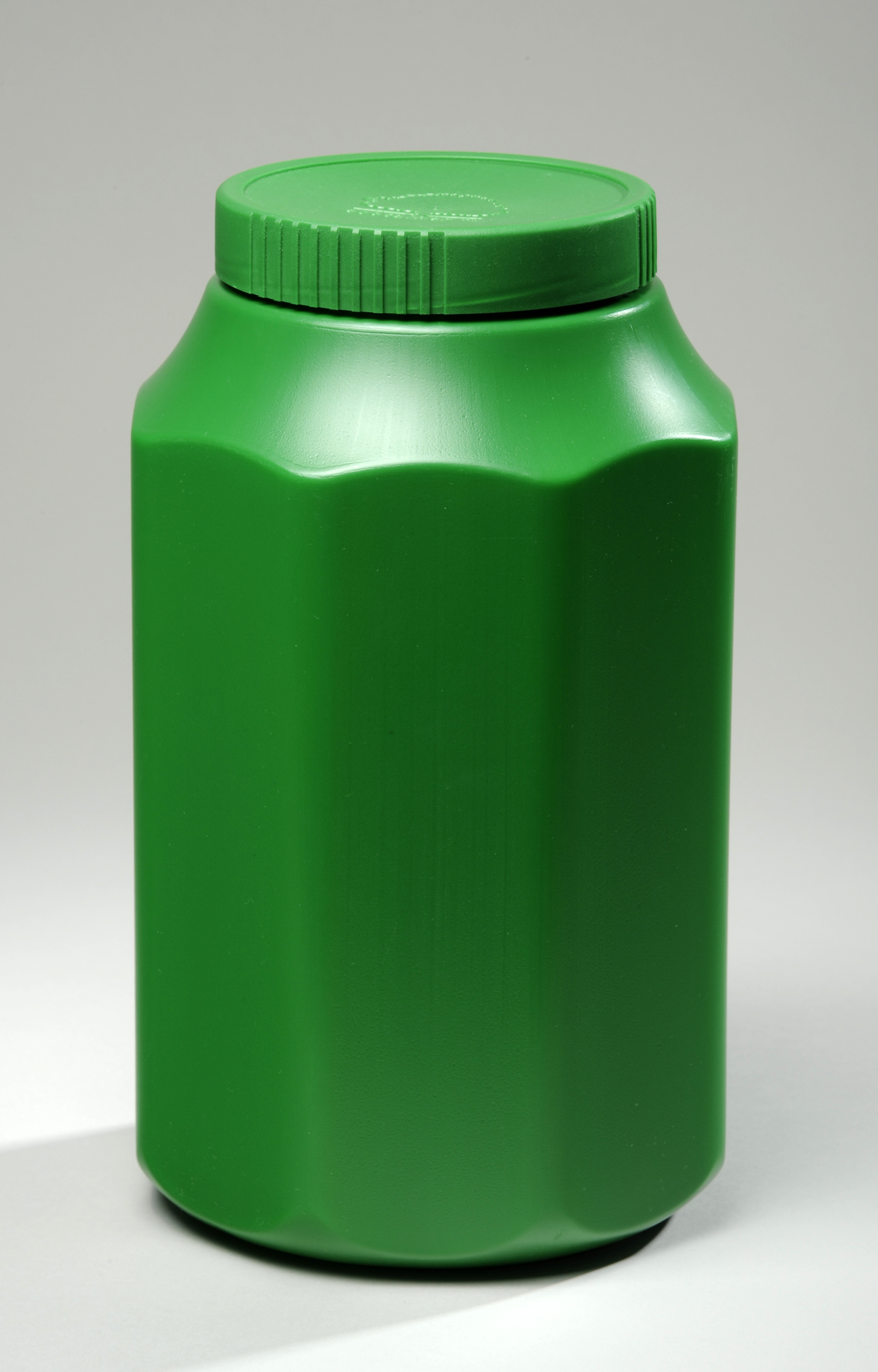
Our choices around death also have an impact on the environment.
Cremation releases carbon dioxide and other toxic emissions. Burials take up space, use up natural resources, and can also leak embalming fluid into the ground. Out of the current burial and cremation options available in the UK, the most environmentally friendly choice is natural burial. This is where the body is not treated with any chemicals and is buried in a biodegradable coffin or a fabric shroud with no permanent memorial.
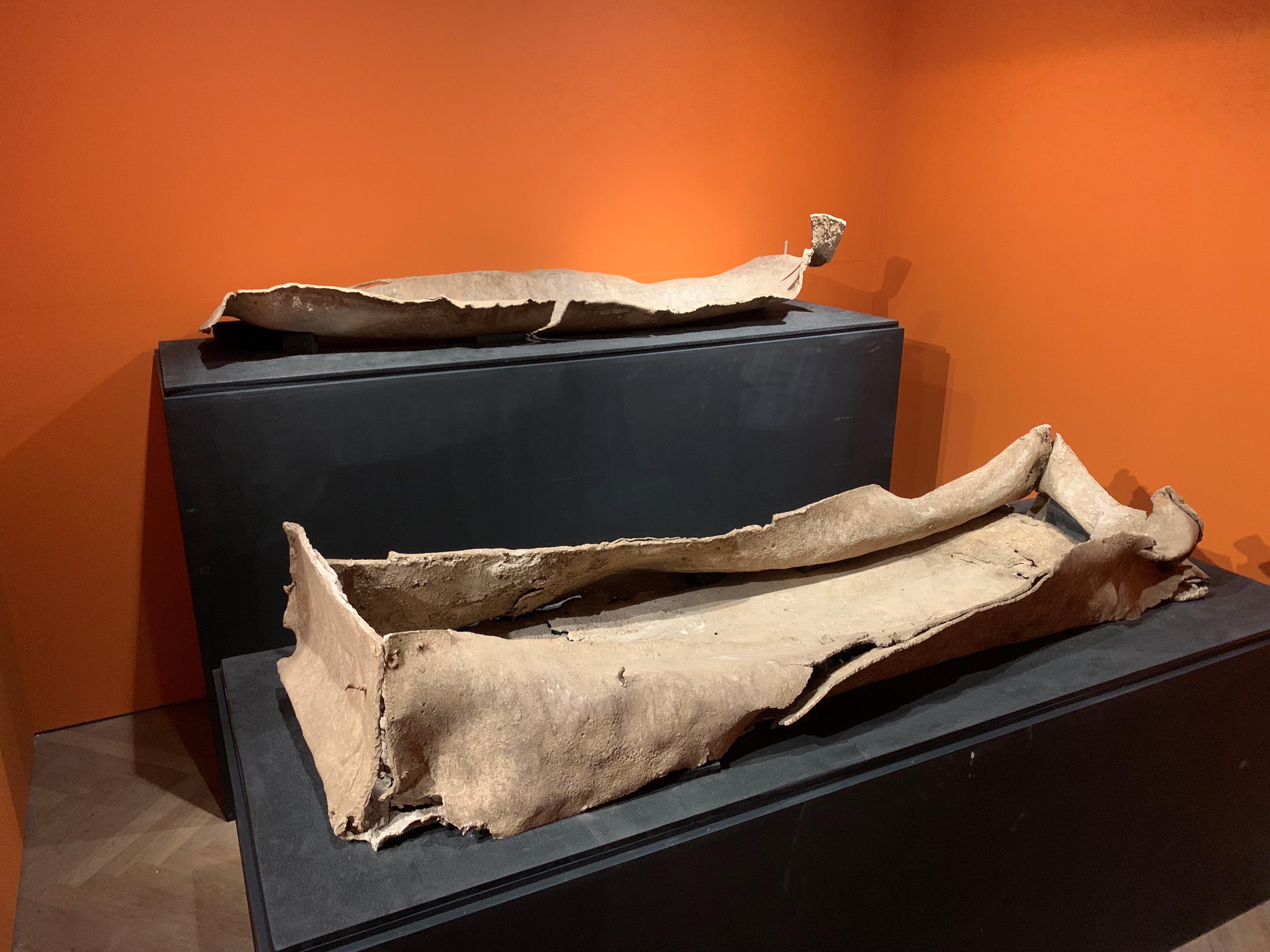
Alternative ways of treating the dead such as resomation (water cremation) and terramation (human composting) are being advocated because of environmental concerns. Some people arrange for their bodies to be donated to university medical schools for training and research for at least two years before they are cremated.
What is important to you?