As soon as war was declared in August 1914, men across Kirklees, from towns like Huddersfield, Dewsbury, Batley and Heckmondwike, enlisted to serve. Posters with messages such as “Your country needs you” were put up in shop windows and on noticeboards.
Many men felt a strong sense of duty and pride, and thousands volunteered in the first few months.
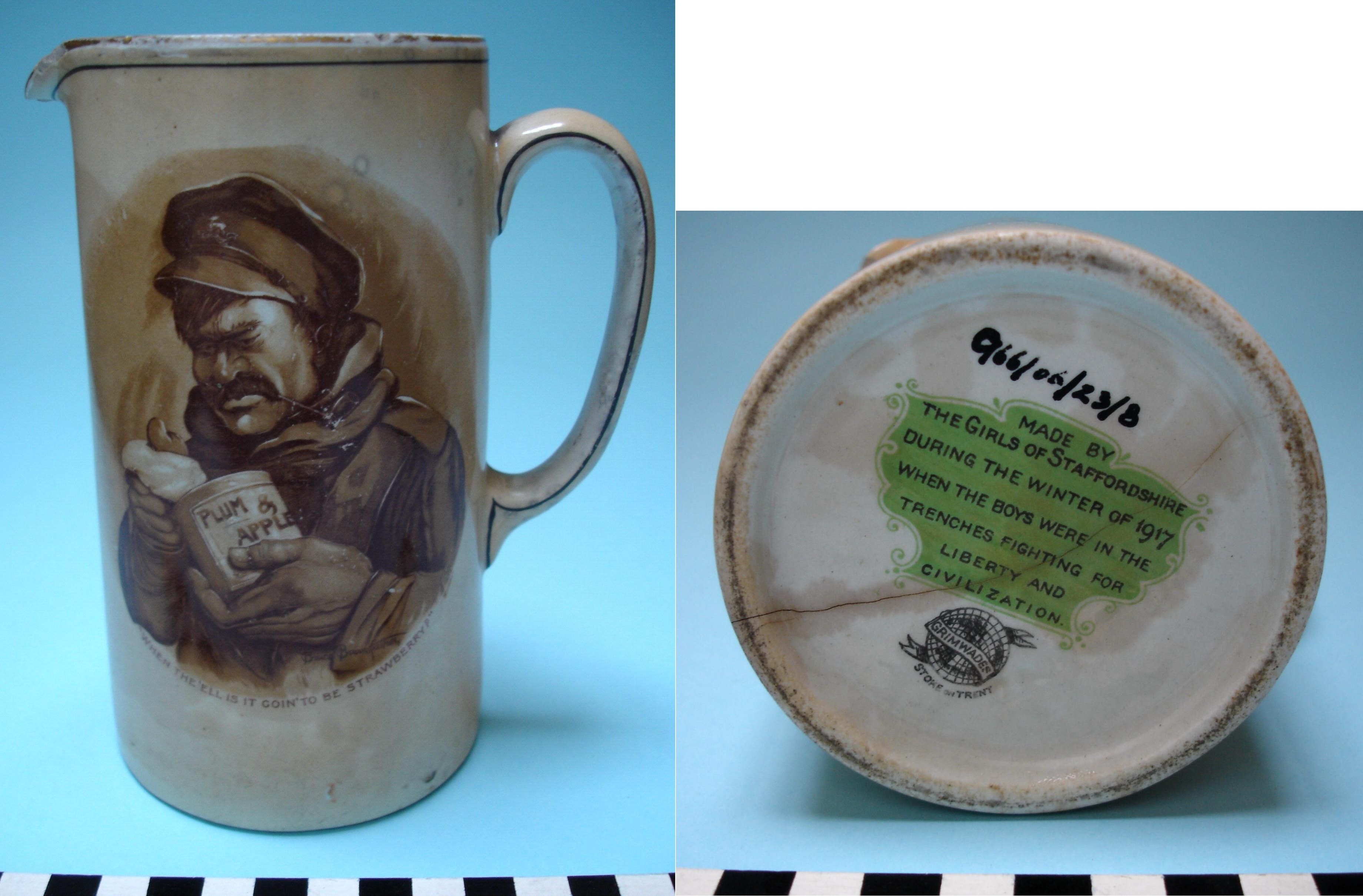
For soldiers from Kirklees, life at the front was a huge shock. Many had never left their home towns before. The trenches they were sent to were cold, muddy, and extremely uncomfortable. Trenches were often dug on low ground and flooded easily when it rained. Men from Huddersfield, used to working in mills or shops, now found themselves standing for hours in freezing water, covered in mud, with rats and lice for company.
Poor hygiene meant lice were common, and infections spread quickly. Soldiers suffered from trench foot and other illnesses caused by wet, dirty conditions. Trench foot caused blisters, swelling and in extreme cases, gangrene leading to amputation. Meals were basic, usually tinned meat and dry biscuits, and sleep was often disturbed by shellfire or the fear of enemy attack.
The First World War was fought mainly by men who would never have imagined becoming soldiers before 1914. Most had never travelled abroad, and the war exposed them to places and experiences far beyond anything they had known. When the fighting ended, returning soldiers had to rebuild their lives at home. Many brought back souvenirs from the battlefield, such as uniforms or weapons, but these objects could not capture what they had been through. Some men returned to their old jobs in mills, factories or shops, yet found that both they and their workplaces had changed. Others came home injured or suffering from the physical and emotional effects of war, making everyday life difficult. Families were different too, with women having taken on new roles during the war. Life did not simply return to how it had been before, and for many soldiers the transition back to civilian life was a long and challenging process.
Horace Waller VC
Horace Waller born on 23 September 1896 in Dewsbury, Yorkshire. His parents were John Edward and Esther Waller. As a young man, John joined the British Army and served as a private in the 10th Service Battalion of The King’s Own Yorkshire Light Infantry.
On 10 April 1917, near Heninel, France, Waller was involved in fighting against enemy forces. During the day, he threw bombs for over an hour to resist an attack. In the evening, the enemy launched a counterattack, during which Waller was killed.
Following his death, Waller was awarded the Victoria Cross, a military honour given for acts of gallantry. His story is part of the wider history of the First World War and reflects the experiences of many soldiers during this time.
John William Ormsby VC
Sergeant Ormsby was born in Dewsbury. During the First World War, he served with the King’s Own Light Infantry. On 14 April 1917, during operations in Favet, France, he was awarded the Victoria Cross.
During the fighting, Sergeant Ormsby was acting as sergeant major. Despite heavy machine-gun and rifle fire, he continued to lead by example. After clearing a village, he moved forward and helped remove snipers from positions further ahead. When the only surviving officer was wounded, Sergeant Ormsby took command of the company. He led the group forward under heavy fire for 400 yards to a new position. Once there, he carefully organised the position and kept his soldiers defending the front line, stopping the enemy from getting past until another group arrived to take over.
Sergeant Ormsby lived until the age of 71 and died in 1952. He is buried in Dewsbury cemetery.
Douglas Clark
Douglas Clark was one of the greatest Rugby League players of all time. Before the First World War began, he was enjoying a successful sporting career. But by 1917, he was serving as a British soldier in the Battle of Passchendaele.
Clark was born in 1891 in Ellenborough, Cumberland. He started playing rugby with a junior team called Brookland Rovers. His talent was quickly noticed, and in 1909, he signed to play for the professional team Huddersfield. He wasn’t just strong; he was also skilful. Clark even played for Great Britain on a tour of Australia and New Zealand.
When war broke out, Clark joined the Army Service Corps. He became an Acting Sergeant and continued to take part in sports, including wrestling matches held within the army. He even won a trophy for one of his bouts.
In June 1917, he fought in the Battle of Messines and was badly affected by gas attacks in both July and October that year.
Later, during the Battle of Passchendaele, Clark was seriously wounded by shrapnel in his arm and stomach. For his bravery, he was awarded the Military Medal.
After the war, Clark returned to Huddersfield and played rugby until 1929. He also became a champion wrestler and won the British Empire Heavyweight title. People even called him “the strongest man on the planet” before he retired at the age of 50.
Percy Armitage
Percy Armitage was from Slaithwaite and served as a Lance Corporal with the Northumberland Fusiliers during the First World War. He took part in major battles, including the fighting at Ypres in Belgium. Like many soldiers, Percy experienced the difficult and dangerous conditions of life in the trenches.
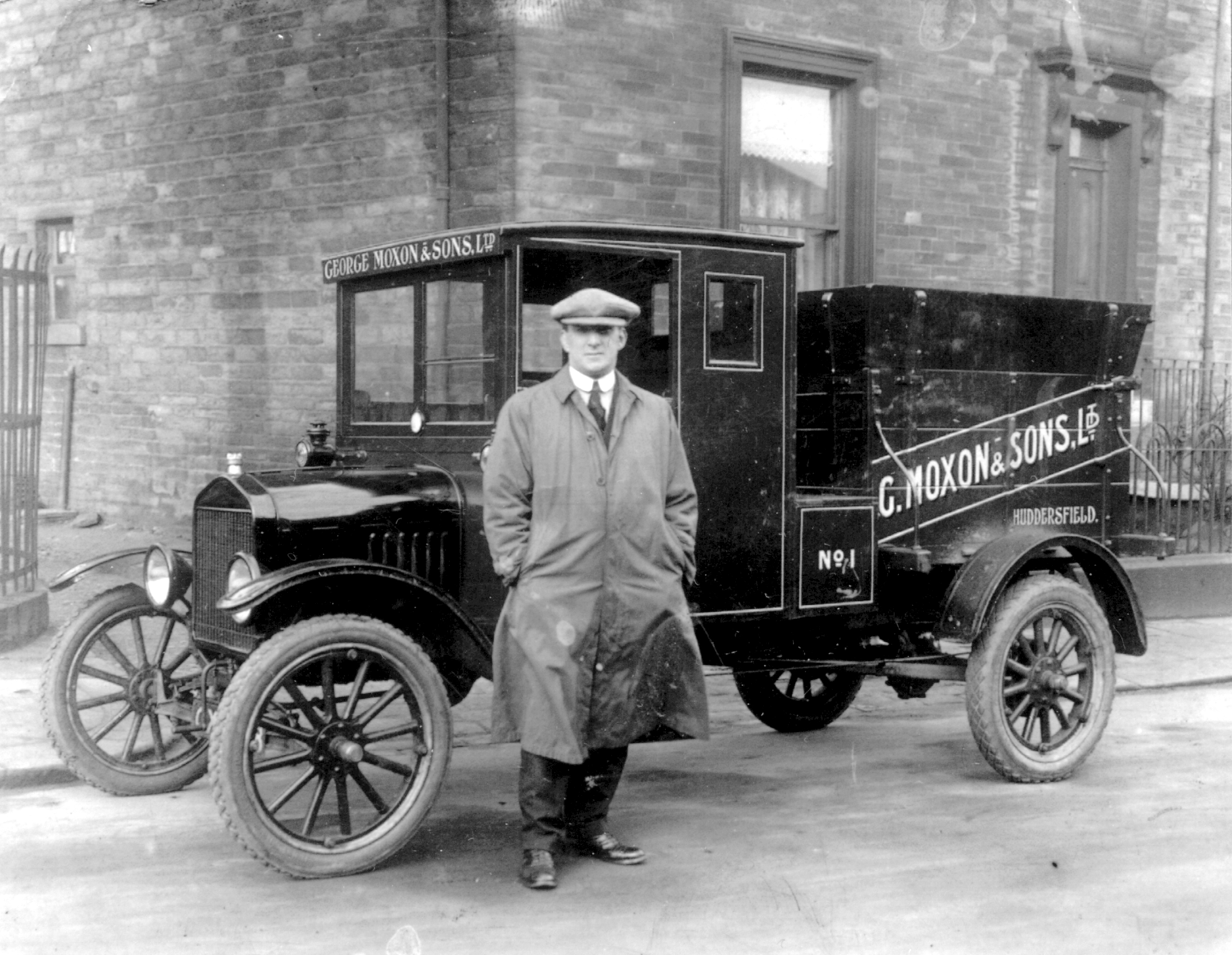
After the war, Percy returned to Huddersfield. He worked for 40 years with British Waterways, where he was responsible for maintaining the canal locks between Aspley and Marsden. His work helped to keep the waterways functioning, which was important for the local economy and for preserving part of Huddersfield’s industrial history.