During the medieval period, the Kirklees area was shaped not only by national events and powerful lords but also by the everyday lives and legacies of local people, families, and communities. Their influence can still be traced in the landscape, buildings, and even family names that remain part of Kirklees today.
The de Lacy Lords and the Honour of Pontefract
The de Lacy family were powerful Norman lords who, after the Norman Conquest, controlled a large territory in West Yorkshire known as the Honour of Pontefract. Kirklees was part of this region. The de Lacys played a central role in supporting the Church, founding religious houses including Kirklees Priory, which was established for Cistercian nuns. Their support for religious life helped shape the spiritual and cultural landscape of medieval Kirklees.
The de Mirfield Family: Knights and Local Leaders
From the 12th to the 14th centuries, the de Mirfield family were influential local knights. They held land and power in the area, acting as benefactors of religious institutions and serving as important figures in local governance. Their legacy is preserved in the name of the town of Mirfield itself, which was once part of a manorial estate. Families like the de Mirfields were vital to the running of local society during the Middle Ages.
The Beaumont Family of Whitley and Crosland
Around the year 1200, William de Bellamont, an ancestor of the Beaumont family, was granted land in Huddersfield by Roger de Lacy. This landholding helped establish the Beaumonts in the area, and by the 14th century, they were living at Whitley and at Crosland Hall in the Mag Valley near Netherton. Sir William de Beaumont, born in 1250, represents the blending of Norman and local aristocracy. His family connections, including his marriage to Alicia de Cyri, tie him to the landscape and social structure of medieval Kirklees.
Heading: Woodsome Hall and the Changing Hands of Power
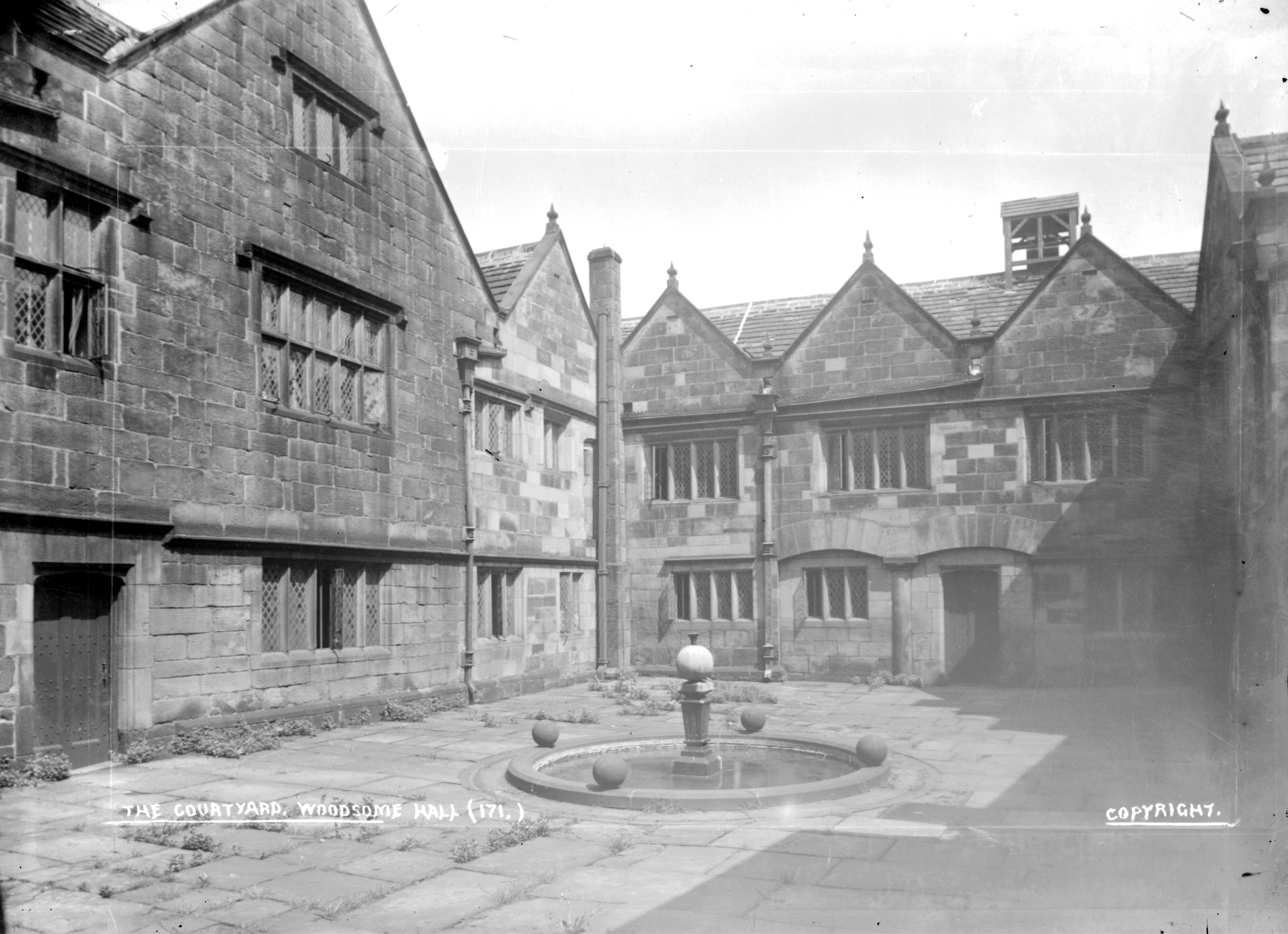
The estate of Woodsome Hall offers a window into how landownership changed over the centuries. In the 13th century, it belonged to the de Notton family, then passed to the Tyas family, and later to Sir William Finchenden, who added decorative finch motifs still visible today. Eventually, the estate was inherited by the Kaye family, who occupied it from 1378 all the way to the 18th century. These transitions reflect the shifting fortunes and alliances of medieval gentry.
The Fenay Family of Fenay Hall
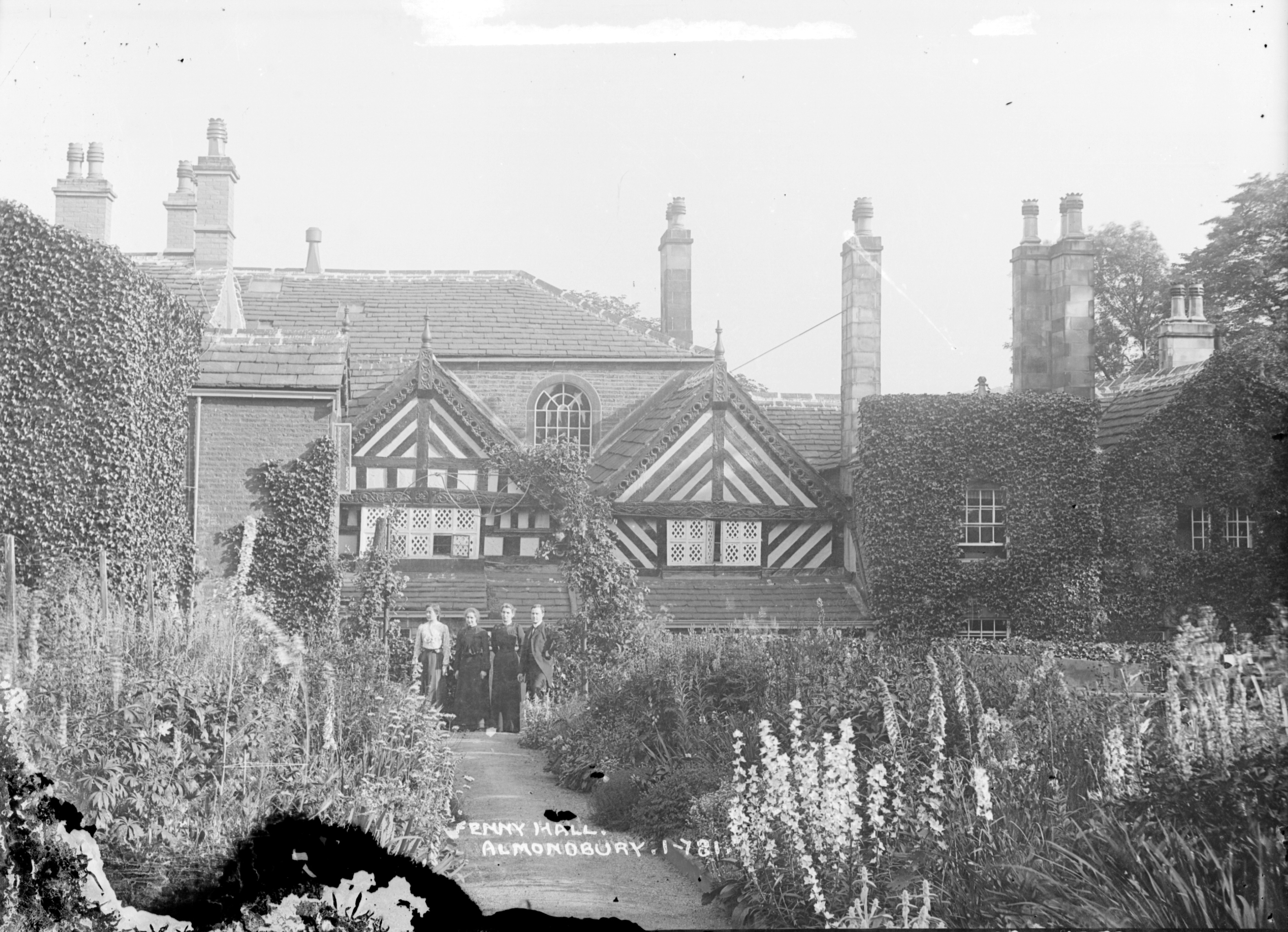
Across from Woodsome Hall stands Fenay Hall, once home to the ancient Fenay family. First mentioned in records dating back to between 1199 and 1216, the Fenays remained part of the local gentry for over 400 years. Though the male line ended in 1710, the Fenay name lives on through daughters who married into many other local families. Their presence in tax rolls, legal documents, and manorial records shows how deeply rooted they were in the community.