The Church played a vital role in every stage of medieval life, guiding people through birth, marriage, sickness, and death. It was a powerful institution which had a broader role than just religious, and also owned land and wealth, supported education and offered charity.
Parish churches and monasteries collected tithes, a compulsory form of tax, which provided them with the income needed to maintain buildings, care for the poor and influence local affairs.
In Kirklees, several churches held particular importance. All Saints’ Church in Dewsbury was one of the most prominent. As a mother church, it served a wide area and was likely a centre of Christian activity even before the Norman Conquest of 1066, showing the deep roots of faith in the region.
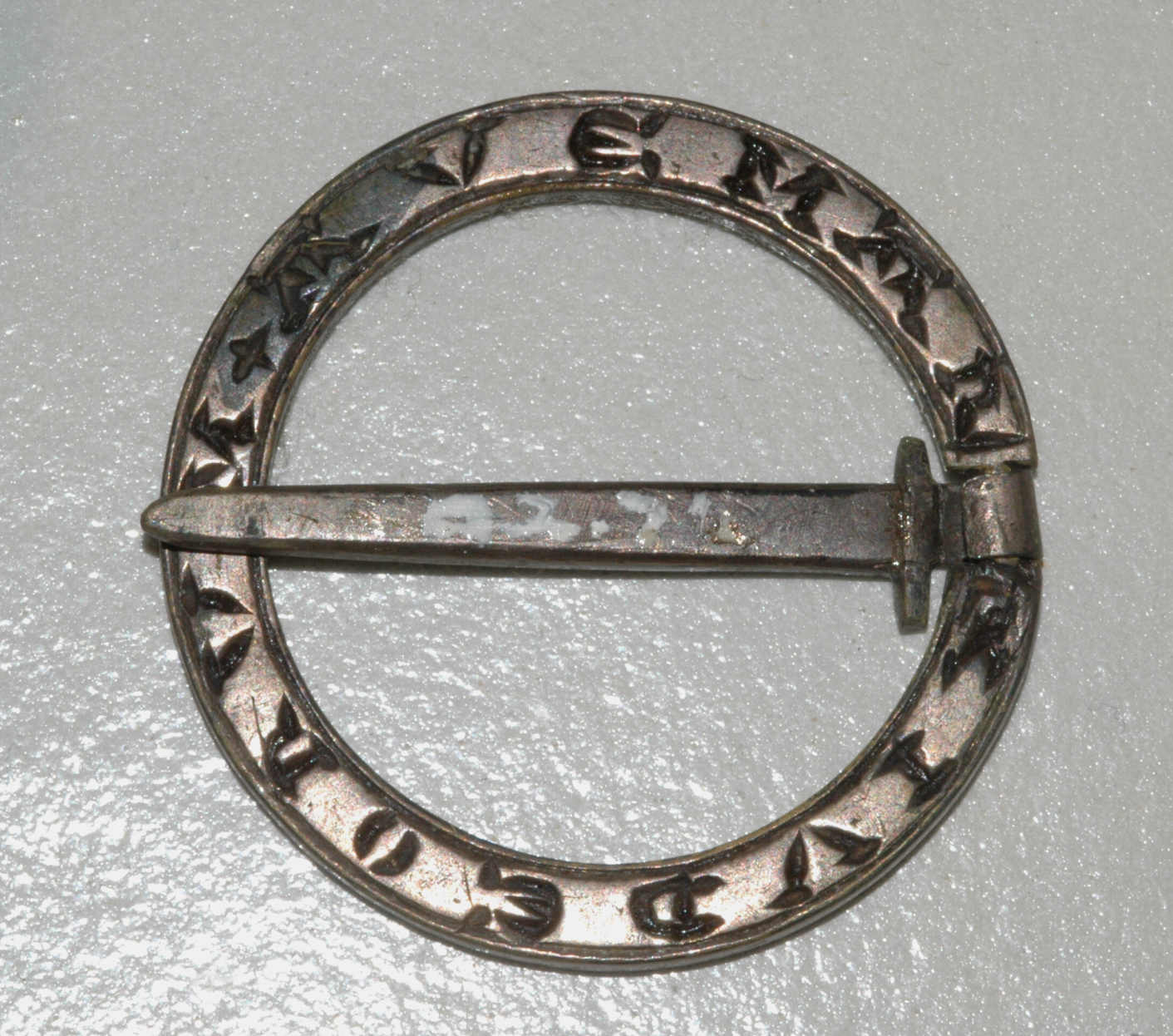
Another important site was All Hallows Church in Almondbury, first mentioned in records from 1231, though it may have been built earlier. It is believed the powerful de Lacy family helped to establish it. The chancel, the front part of the church where the altar is located, is thought to be the oldest surviving section. Churches like these were not just religious centres; they were landmarks of community identity and continuity, connecting generations through faith, tradition, and local leadership.
Monasteries
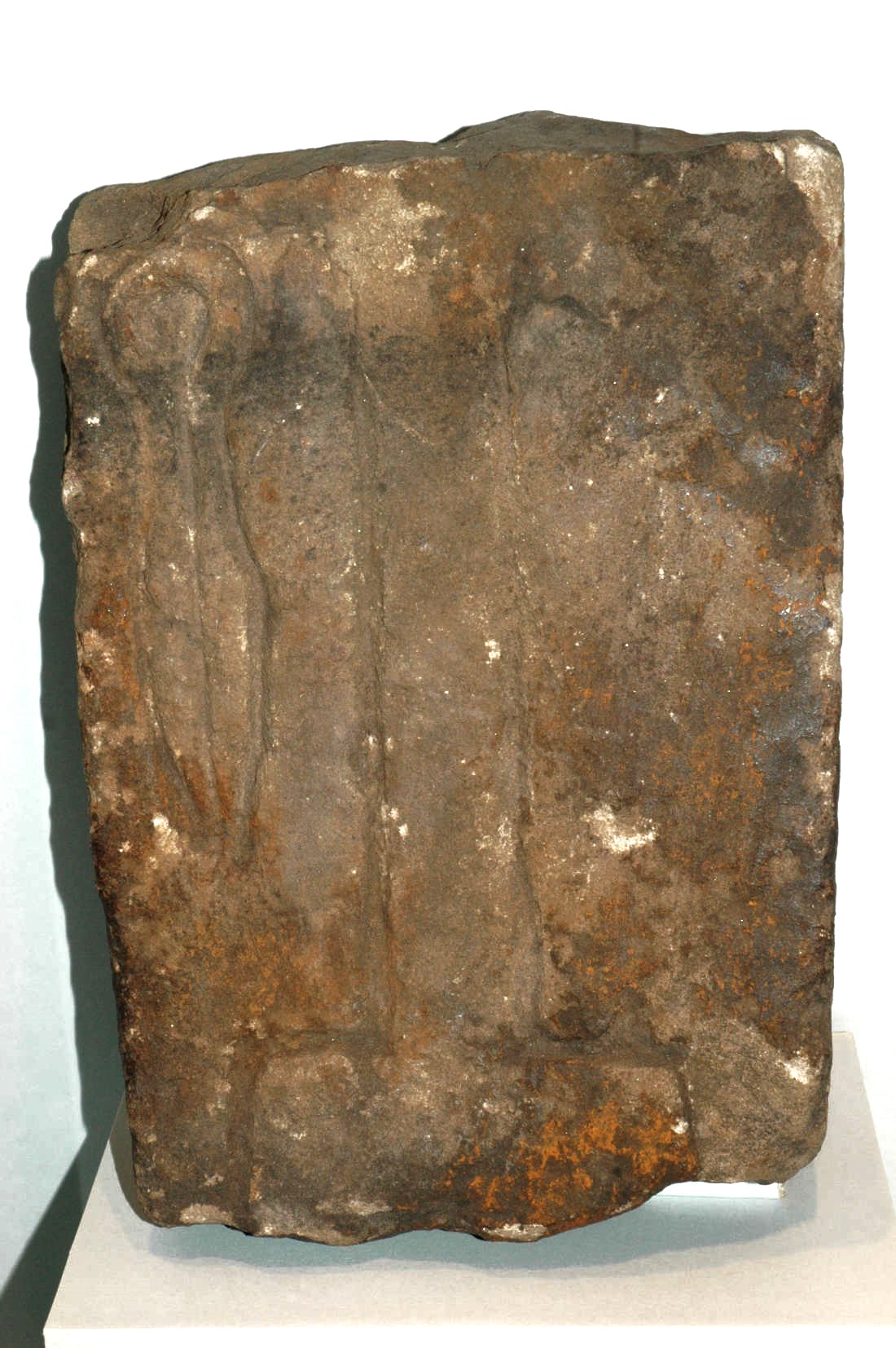
Monasteries were at the heart of medieval life in Kirklees and across Yorkshire. They were not only centres of religion and worship, but also powerful landowners and employers which contributed to the local economy. Large monasteries such as Fountains, Rievaulx, and Byland owned huge areas of land known as granges, which were mainly used for raising sheep and producing wool, a key feature of the medieval economy. These religious houses also funded the building and maintenance of essential infrastructure like roads, mills, and bridges, which were important to help local communities function and grow.
Closer to home, Bentley Grange, near Emley, was a monastic site, meaning it was owned and run by a religious community of monks. It was known for its role in ironstone mining and metal production. This shows how monasteries contributed to the development of local industry and trade, as well as to religious life.
Kirklees Priory
The most significant local monastery was Kirklees Priory, a Cistercian nunnery founded around 1135 by Reyner le Flemyng during the reign of Henry II and later supported by the powerful de Lacy family. Dedicated to the Virgin Mary and St James, the priory was in what is now Kirklees Park, Brighouse. It accommodated between eight and twenty nuns who devoted their lives to work, prayer, and managing the priory’s extensive economic and spiritual activities. Over time, Kirklees Priory became a wealthy and influential centre, owning large tracts of land including woods, fields, and mills, and collecting rents and tithes from local villages, which sustained both the nunnery and the surrounding community.
The priory’s leadership, especially the Lady Prioresses, wielded considerable authority. They oversaw the priory’s estates, settled disputes, and maintained strong ties with other religious houses. The buildings were extensive and included a church with a high altar and choir stalls, cloisters, chapter house, dormitory, refectory, and even an infirmary for caring for the sick.
The nunnery also provided hospitality and spiritual care to the local people, fulfilling important social roles beyond worship.
Despite its importance, Kirklees Priory gained a notorious reputation in the early 1300s due to reports of immoral behaviour among some of the nuns, such as breaking vows of chastity. These accusations were recorded by Church authorities, reflecting their own perceptions and moral expectations rather than the voices of the nuns themselves. Nonetheless, the priory continued to function until the Dissolution of the Monasteries in 1539, when the last seven nuns were dispersed. The priory’s lands and buildings were seized by the Crown and passed through several owners before being acquired by the Armytage family in 1564.
After the priory’s closure, its buildings fell into disrepair. Stones from the dismantled priory were reused to build Kirklees Hall and local farms. Today, a few surviving structures such as the gatehouse, barn, and calf house remain as protected historical sites. Excavations in the early 20th century revealed the priory’s layout and key buildings, providing valuable insight into the scale and operation of this important medieval religious community.