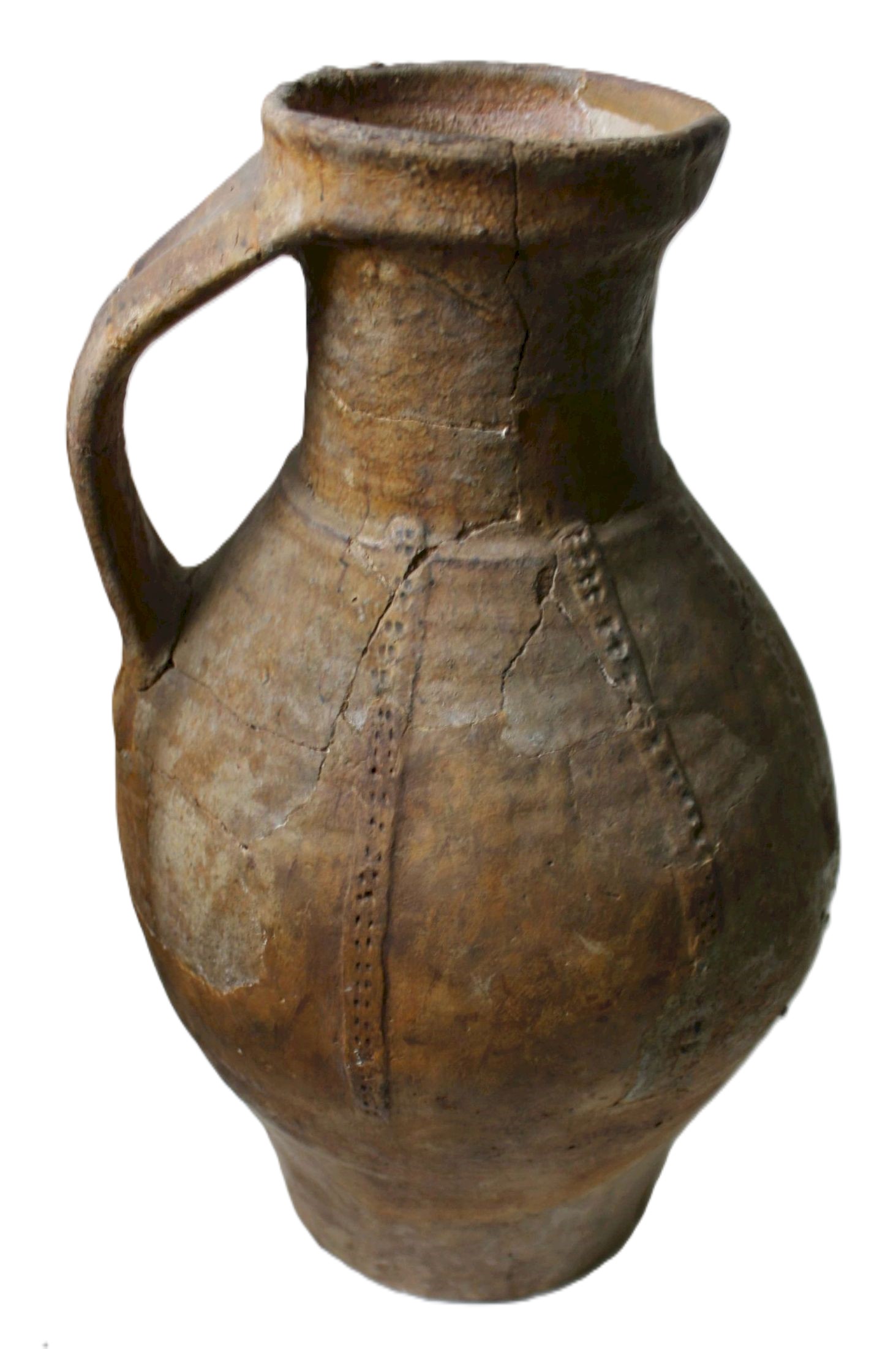
Most ordinary people left little trace in written records because they were illiterate and owned few possessions. Their homes were built from fragile materials that have not survived. While this lack of legacy might suggest that these people were unimportant, they were in fact essential to society, providing the labour needed to build castles and churches, grow food, and make clothing. In areas like Kirklees, most people worked on farms growing oats and raising sheep, living with limited resources due to poor soil and climate. By the late 1200s, cloth-making had become an important local craft, with wool spun and woven in the home. By the 1400s, some larger cloth producers, such as Thomas Beaumont of Whitley Beaumont, had emerged.
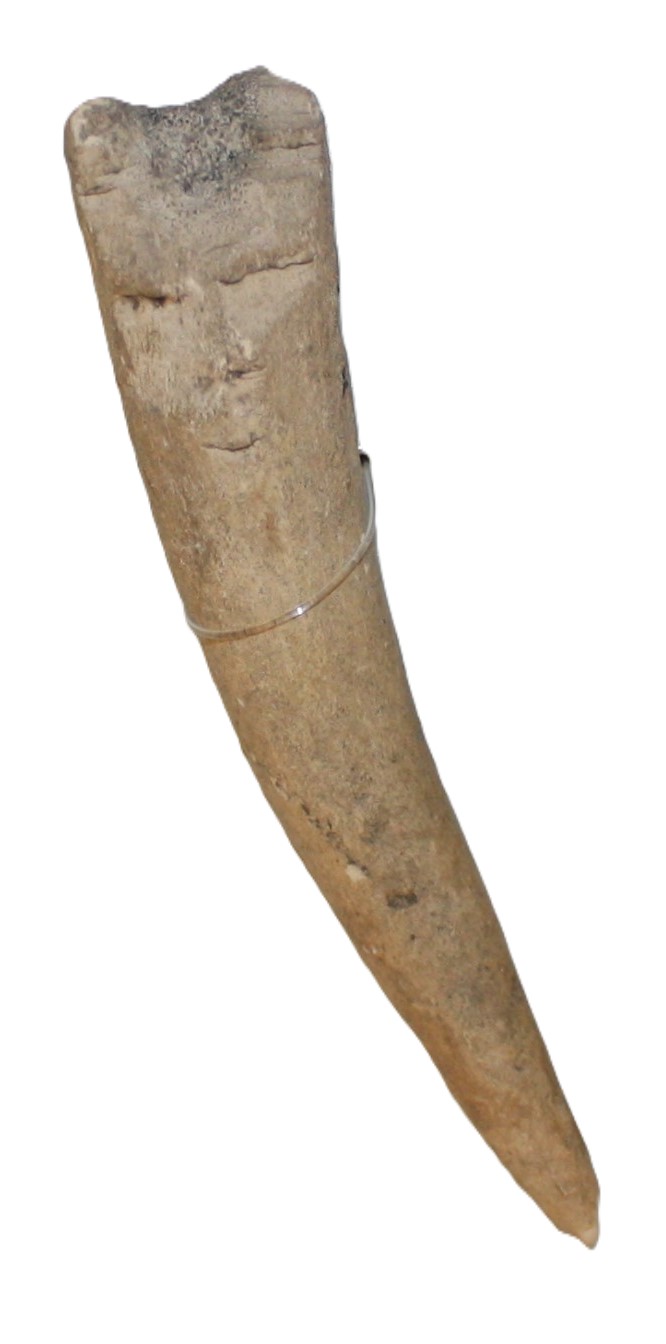
Objects such as a red deer antler carved with a human face (below) help to illuminate aspects of daily life that written sources often overlook. Made from readily available natural materials, this object suggests how ordinary people might use local resources for craft, decoration or symbolic purposes.