After 1066, William the Conqueror established control over Yorkshire and West Yorkshire by building motte-and-bailey castles, including one at Castle Hill. This castle consisted of a raised earth mound called a motte, with a wooden or stone keep on top, and a bailey, which was a protected courtyard. The castle helped control local resistance after the harsh Harrying of the North, when much of the region was laid waste to suppress rebellions. Castle Hill remained important for administration, collecting rents, and holding courts until it gradually lost military importance.
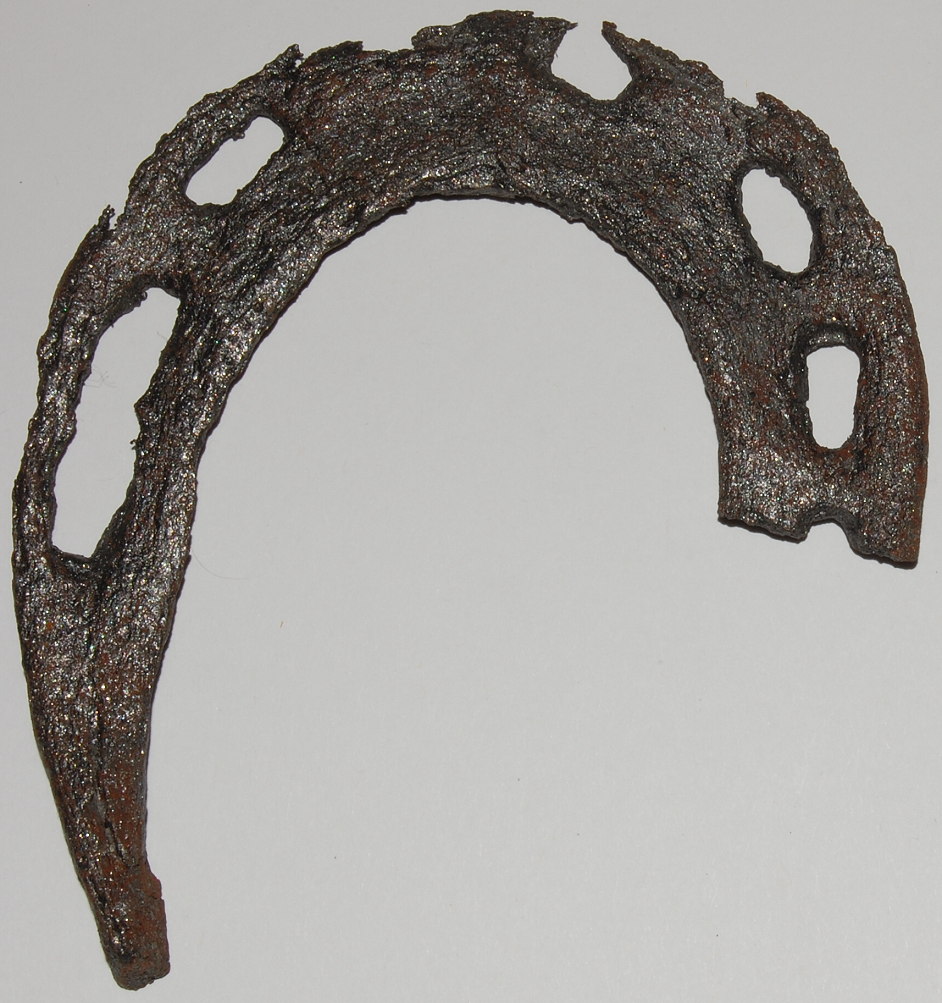
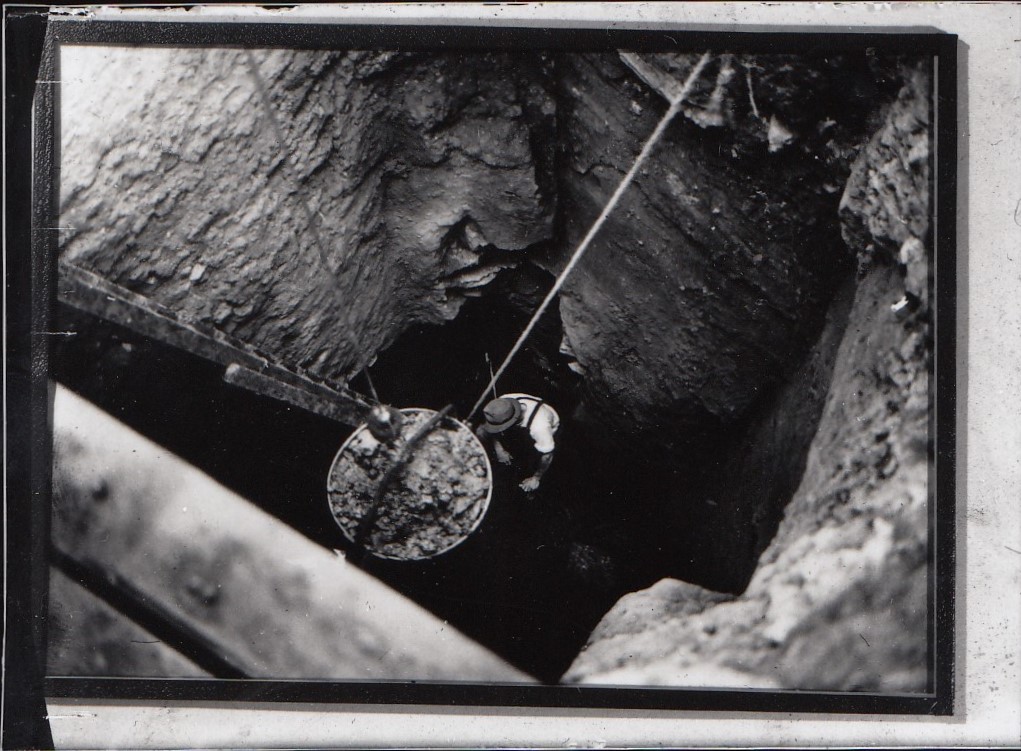
The well that can still be seen on Castle Hill was excavated by archaeologists to its full depth of 26 metres. After its disuse as a water source in the early 1200s, it was used for dumping rubbish. It tells us about the changing use of the castle.
By the late 1200s, Castle Hill no longer served a defensive role and became a hunting lodge for the local lords who hunted in the surrounding woods. In the early 1300s the de Lacys seem to have founded a town on the hill, perhaps in the lower bailey. A successful town provided useful rents, market dues and other incomes. After the castle was abandoned in the mid-1300s, the hill remained unused for centuries until the 19th century. However, it was used for warning beacons during times of invasion threat, such as the Spanish Armada in 1599 and the French wars in the early 1700s. These beacons were part of a national network designed to alert people of approaching enemies.