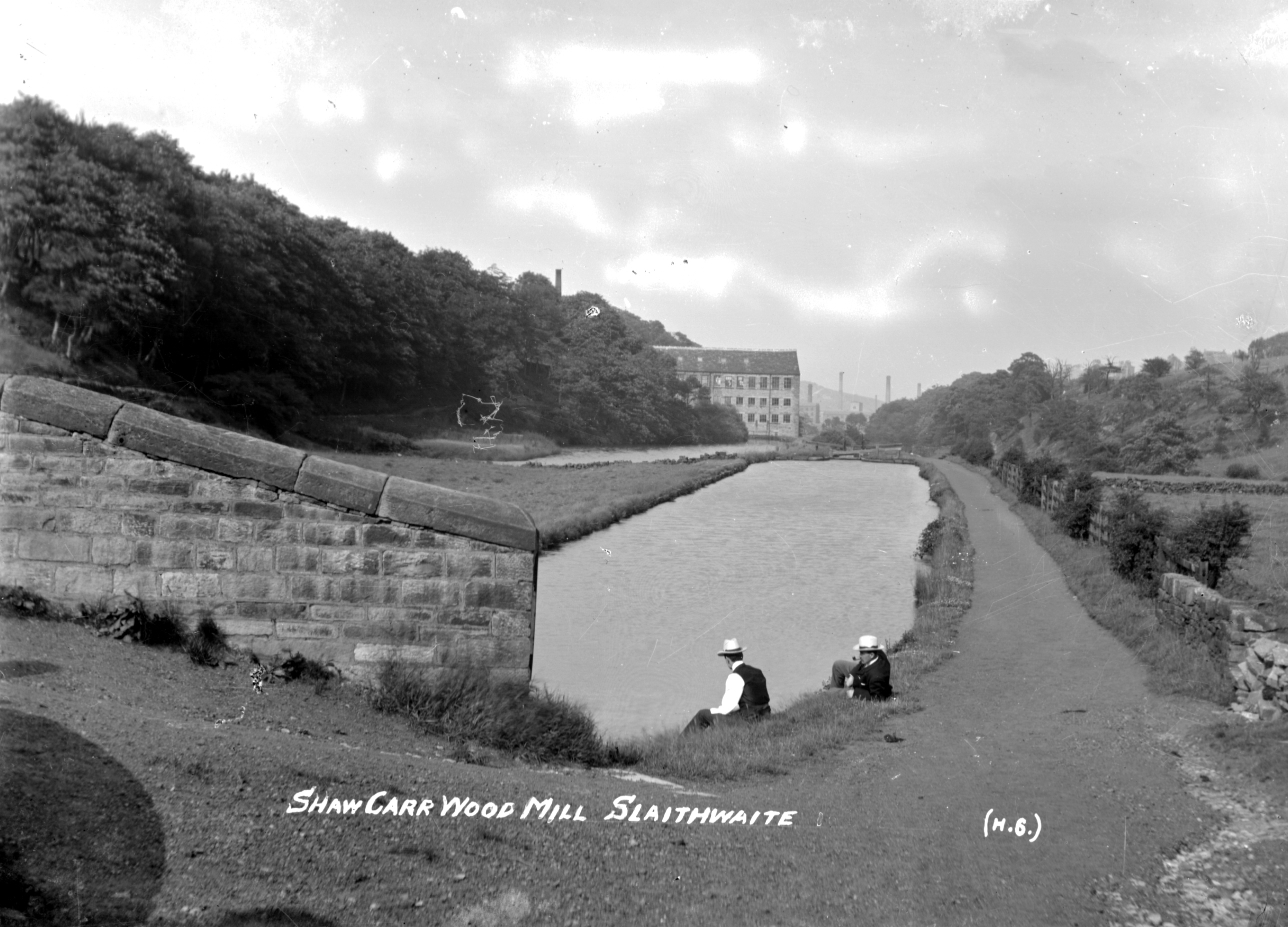
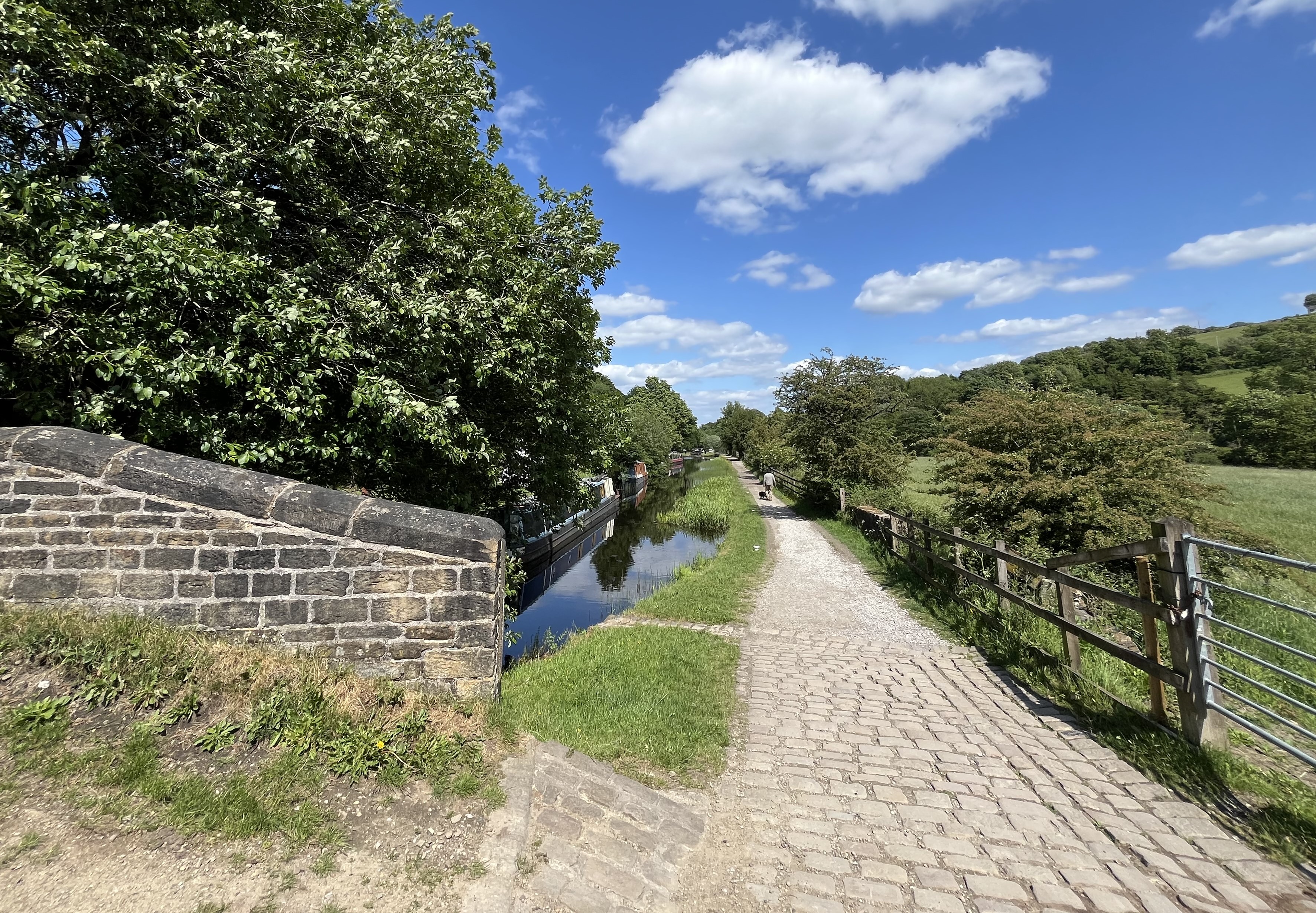
After the Second World War, travel and transport in Kirklees began to change in big ways. Roads, railways, and bus services were repaired and improved so that people could get around more easily. This meant that many towns and villages became better connected, making it easier for people to get to work, go to school, or visit family and friends.
One of the most important changes was the building of the M62 motorway.
Planning began in the 1960s, and the road was built between 1971 and 1976. It linked Liverpool, Manchester, Leeds, and Hull, passing through Kirklees along the way. The motorway made journeys much quicker for cars, buses, and lorries. However, it also brought disruption. Some houses and businesses were knocked down, and communities had to adapt as the new road cut through familiar places.
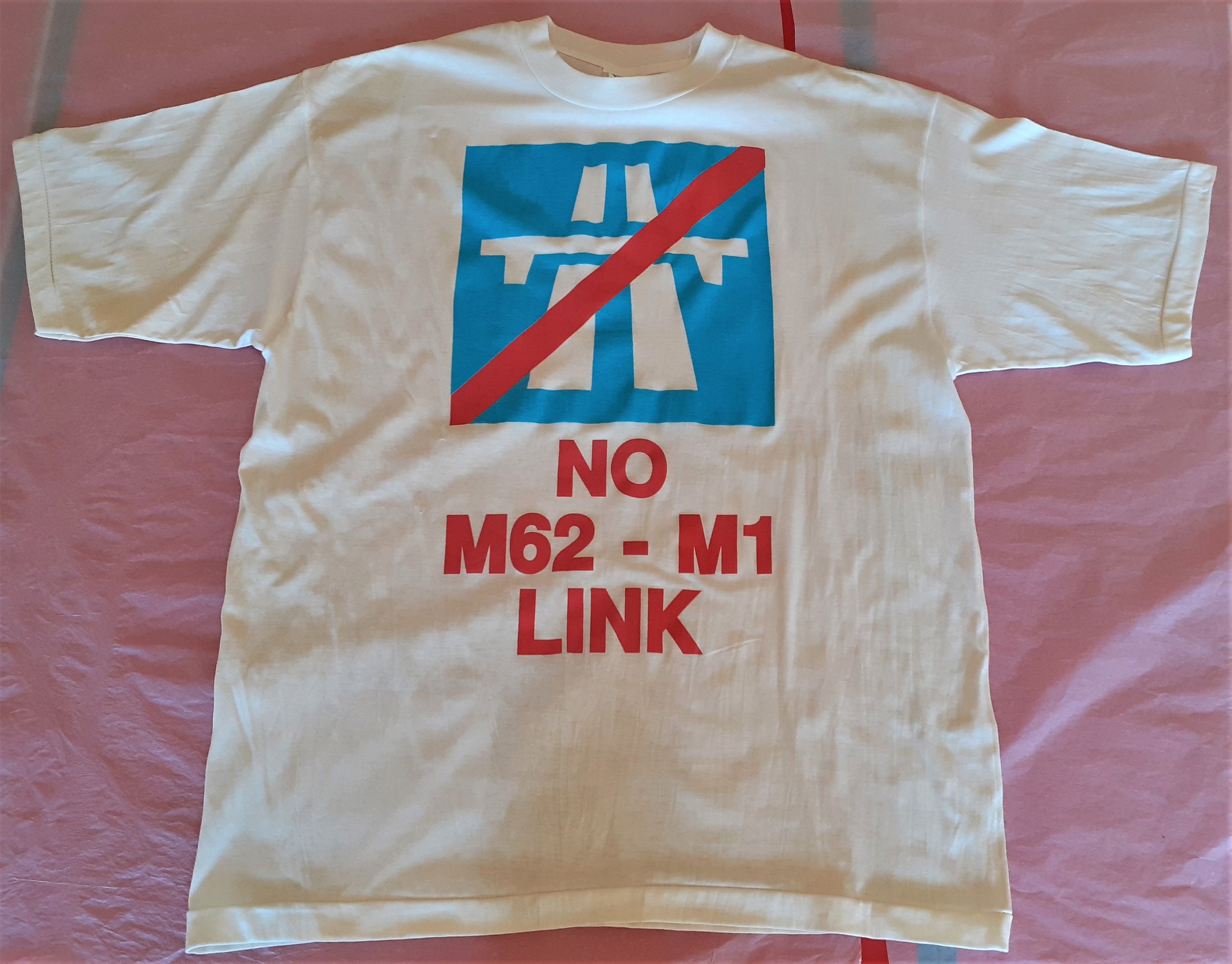
Across Kirklees, local people formed committees to challenge the original motorway plans. In some areas, the proposals would have destroyed homes, businesses, and even community landmarks. After years of meetings, protests, and public inquiries, changes were made to reduce the impact on towns and villages. When the motorway finally opened, it created both winners and losers.
Some businesses grew because of the better transport links, and more people moved into the area to commute. Others, however, struggled as trade and customers shifted elsewhere.
Public transport also played a key role in connecting communities. Buses helped link smaller towns and villages, making everyday travel for work, shopping, or leisure much easier. Train services became faster and more reliable too, with Huddersfield Railway Station acting as an important hub. More people were now able to travel to nearby cities for work or study, and businesses could attract workers and customers from further afield.
Better transport also supported local industries. For example, Holset Engineering, a company making turbochargers, devices that help engines run faster and more efficiently, opened in Huddersfield in 1952. Improved transport networks helped the business deliver products more easily and expand into new markets. Today, Holset is part of the Cummins group and still produces turbochargers used around the world.
After 1945, Huddersfield’s canals shifted from industry to leisure activities such as boating, fishing and walking along the towpaths. The Huddersfield Broad Canal, once busy with coal and textiles, saw traffic decline, with commercial use ending by the 1950s. in the 1970s, campaigns to restore local waterways gathered momentum, leading to the founding of the Huddersfield Canal Society in 1974. Their work, alongside British Waterways, ensured the Broad Canal remained open and, in 2001, reconnected with the Huddersfield Narrow Canal. Today, restored canals and upgraded towpaths serve as valued community spaces, blending heritage, nature, and recreation.