Goodall Backhouse and Company
Robert Goodall started his career as an apprentice to a chemist and went on to set up his own chemist shop on Wade Lane in Leeds in 1853. In 1858, Goodall along with Henry Backhouse and his brother-in-law William Powell, bought out a wholesale chemist business and formed Goodall Backhouse and Co. They carried on with the chemist side of the business and also began to develop food products.
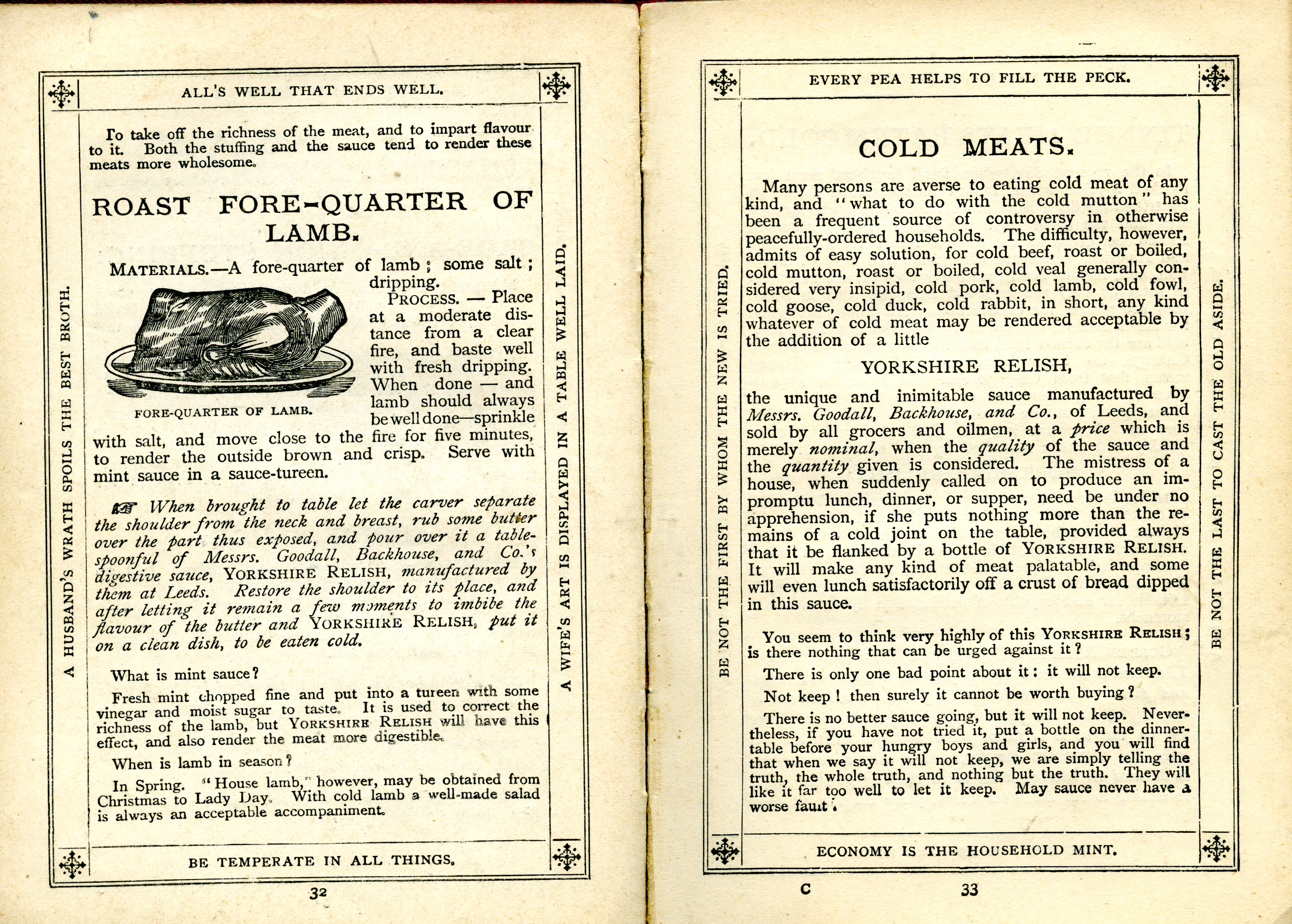
The company manufactured a wide range of different products but were most famous for their Yorkshire Relish, and by 1874 they claimed to have the largest sauce factory in the world. Yorkshire Relish was very popular and in 1885 they were producing eight million bottles a year, which went up to 13 million by 1907.
During the First World War, 100,000 miniature bottles of Yorkshire Relish were shipped to serving soldiers.
Products like Yorkshire Relish were very popular at a time when the quality of food was not always very good. It was originally a liquid that could be added to cheap dishes like soups and stews. If there were not many other ingredients, or some of them were rotten, the strong flavours of the sauce would help hide any bad tastes. In later years they developed a thick and thin version, with the thick sauce being used more like a kind of ketchup.
Although the name makes it sound like a local product, how local was it really? We don’t have an official recipe, but lots of people made homemade versions using similar ingredients. One example from a Yorkshire Observer recipe collection in the 1930s includes cloves, peppercorns and cayenne pepper alongside sugar. Although sugar beets can be grown in the UK, a lot of sugar comes from sugar cane which is imported from many places around the world. Sugar was one of the main products grown on plantations in the late eighteenth and early nineteenth century, using the labour of enslaved Africans.
Spices were a highly valued import and had first become popular in Tudor times when explorers and pirates began travelling the world looking for resources to trade and bring back to England. Cloves originated in Indonesia, although they are now grown in a wide variety of locations.
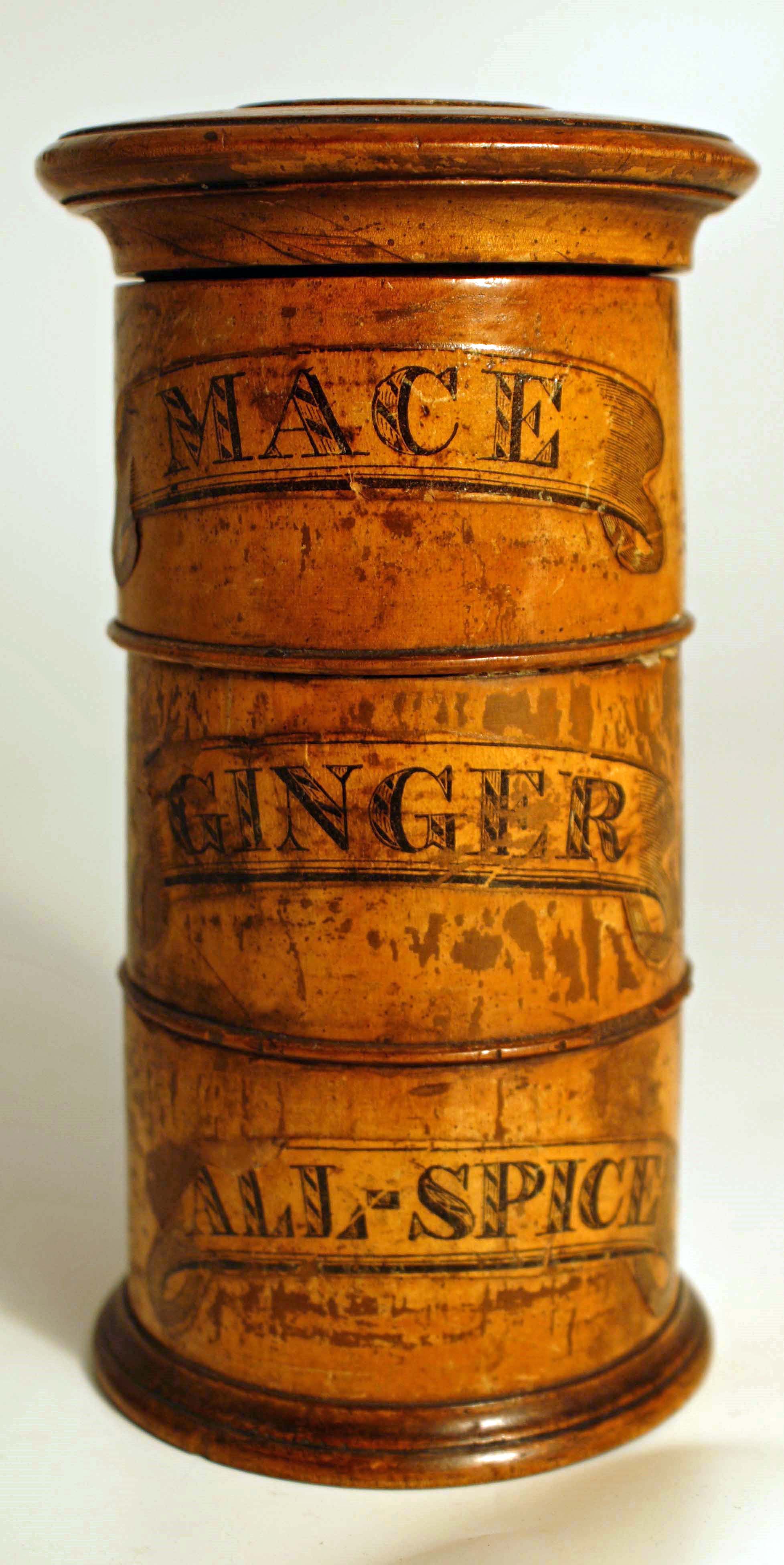
The first Europeans to visit the islands of Indonesia were the Portuguese in 1512, and by 1602 Dutch and British traders followed. The Dutch colonised the Islands and took advantage of the many spices and other local resources for their own businesses under the Dutch East India Company. The company used violence to control the local population, killing Indigenous people and monopolising trade. Although local leaders resisted colonisation, they lacked the resources available to the Dutch, who made huge profits from the trade in spices flowing from the islands.