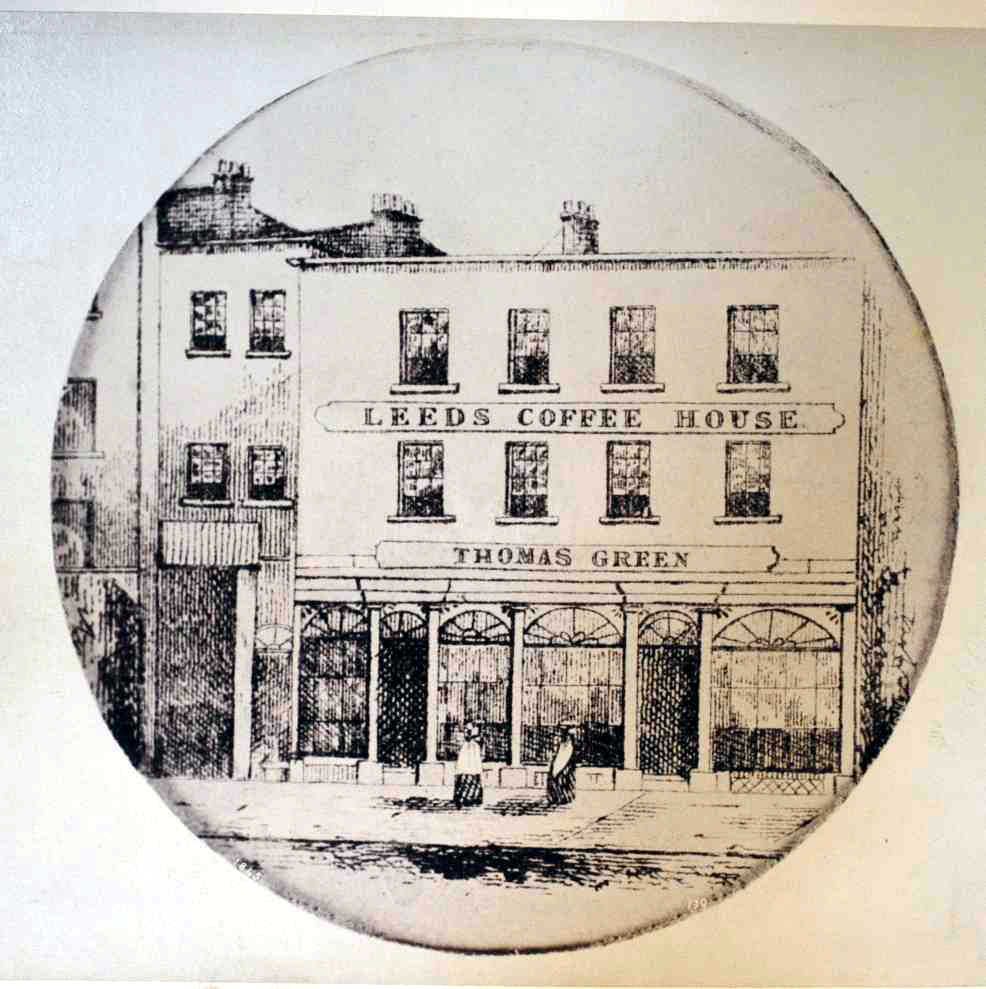
Coffee is a very common drink, found in supermarkets, cafes and restaurants all over the country. It was first introduced to Britain in the 1800s, brought back by traders and colonial explorers. The origins of the drink is disputed, but it is thought the beans first originated in Ethiopia, but it was first popularised in the Middle East under the Ottoman Empire. Bantam were one of the earliest producers of instant coffee, using a new process to dry coffee grounds. The company were called Bantam, after a small chicken, as you only needed a small amount of their coffee to make a strong drink. They are now more or less forgotten, but at their peak were a popular brand, based in Old Farnley, Leeds.
The company was founded by George Turner Schofield in 1912, and gradually grew. It was taken over by his son Frank and daughter Mary in 1930, and the business was eventually closed in 1952 as costs began to rise.
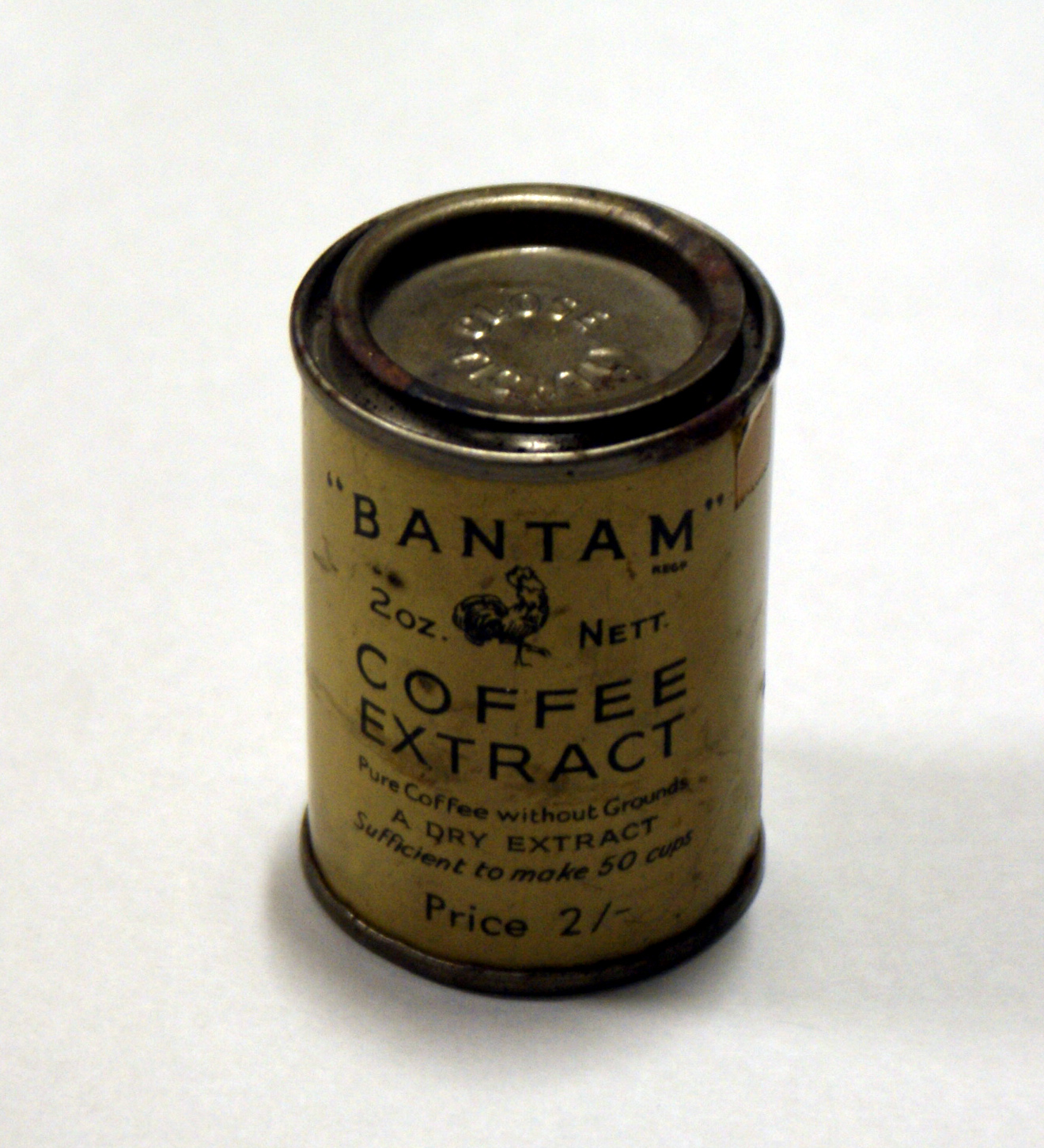
In 1922, Bantam was exhibited at The British Industries Fair where they had an advert in the guidebook which read:
“The World’s finest coffee in its most handy form. It is made in a minute – and is then as perfect as good coffee can be. Requires no coffee pot or elaborate preparation, and straining is unnecessary. Bantam Coffee is ideal for expeditionary enterprises, one pound being equivalent to ten pounds of ordinary roasted coffee. It is the most portable of all brands of coffee, natural or essence.”
The text in the advert gives a lot of information about how the Bantam company viewed its consumers. It explains how easy it is to use, how little equipment people needed, and how it was ‘ideal for expeditionary enterprises’. This will have meant it was ideal for people travelling to visit what were at the time British colonies, including people heading out to join new settlements. These could have been in a whole range of places around the world. Bantam also exported their coffee directly to other countries. Whether the company realised it or not, this was using a similar model to how the plantations had worked over a century before.
Raw materials were being shipped into the UK to be processed in factories, and then sent back out to be sold as finished products.
This time, the labour will not have been carried out by legally enslaved people, but it still reflects how a lot of people born in the colonies were a useful source of cheap labour and raw materials for business in England. This was true of lots of companies and manufacturers operating at this time, and is still true to some extent today. Exporting their products also opened up new markets, as those who had settled abroad were also keen to maintain some of their British way of life, making them enthusiastic consumers of products such as Bantam and Yorkshire Relish around the world.