During World War Two, the towns and villages of Kirklees played a vital role in supporting the war effort through their industries, especially in textiles and engineering. Mills, factories and workshops worked around the clock, and many local people, including women and teenagers, took on important jobs to help Britain during the war.
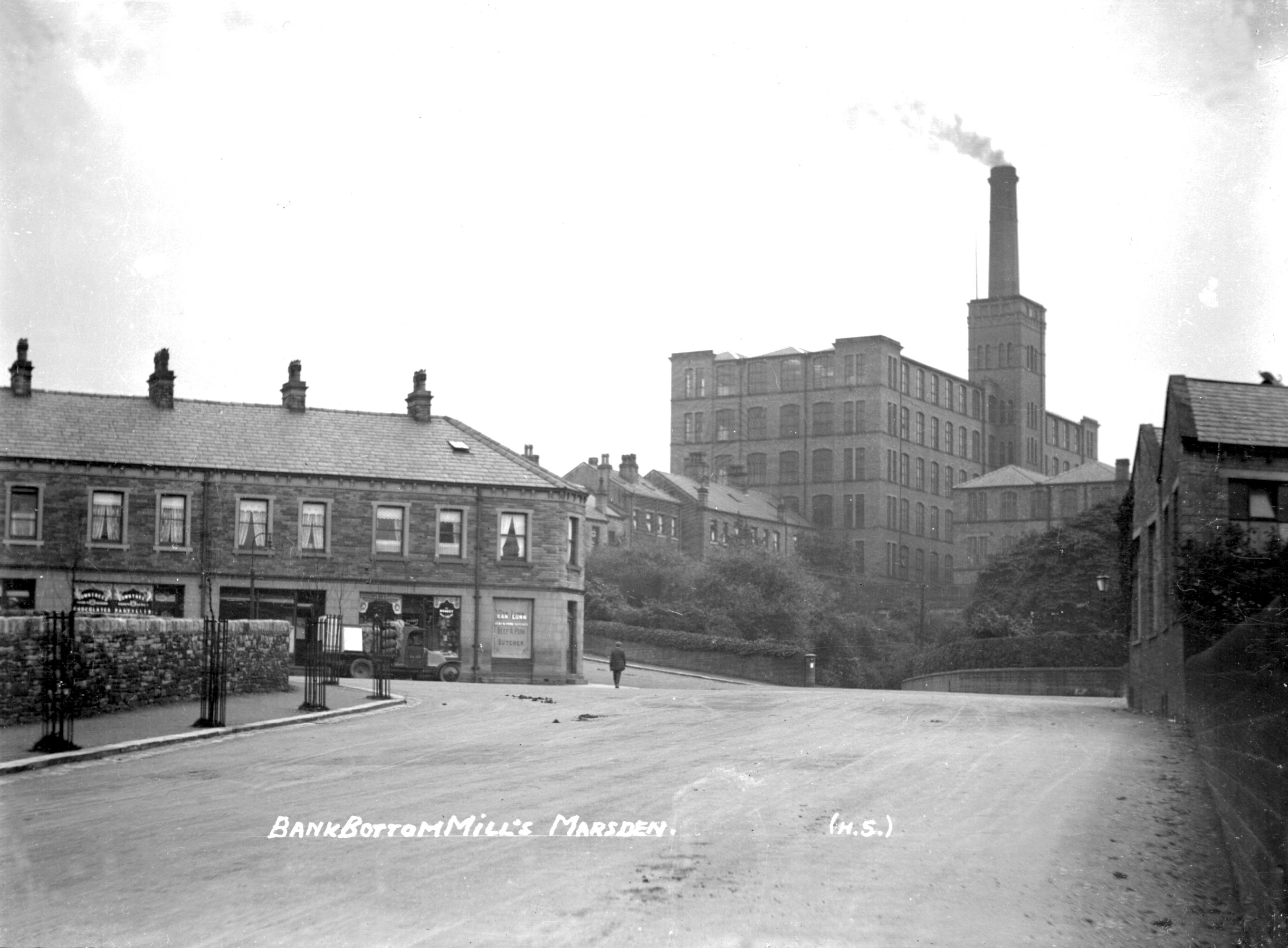
Kirklees was well known for its textile industry, and during the war, local mills made cloth for military uniforms, parachutes and greatcoats. In Marsden, mills produced khaki cloth for army shirts, while Bank Bottom Mill made thick fabric for soldiers' overcoats. Workers often did long shifts and went to evening classes to learn more about their trade, such as spinning, carding, blending and working with raw materials.
Women took on many jobs in the mills to replace the men who were away fighting. Some were weavers and others were menders, helping to make sure the cloth was perfect. While their mothers worked, children helped at home by doing chores like cleaning and shopping.
Factories in Kirklees also helped build important equipment for the war. In Meltham, David Brown’s factory made the special gears needed for Spitfire planes. In Huddersfield, Broadbent’s made small submarines. Many jobs were classed as reserved occupations, which meant the workers were not allowed to join the armed forces because their work was so important at home.