During the Second World War, the people of Kirklees faced many changes and challenges at home. Although far from the front lines, the war deeply affected everyday life in towns and villages across the district.
Residents followed strict blackout regulations to keep towns hidden from enemy aircraft. This meant no streetlights or shop lights at night, and people couldn’t use any naked flames or even smoke outside after dark. All homes had to cover their windows to stop light escaping.
Food and clothing were strictly rationed. People were encouraged to grow their own vegetables at home and in school gardens. Children helped to dig up lawns to plant potatoes, supporting the "Dig for Victory" campaign.
Rationing
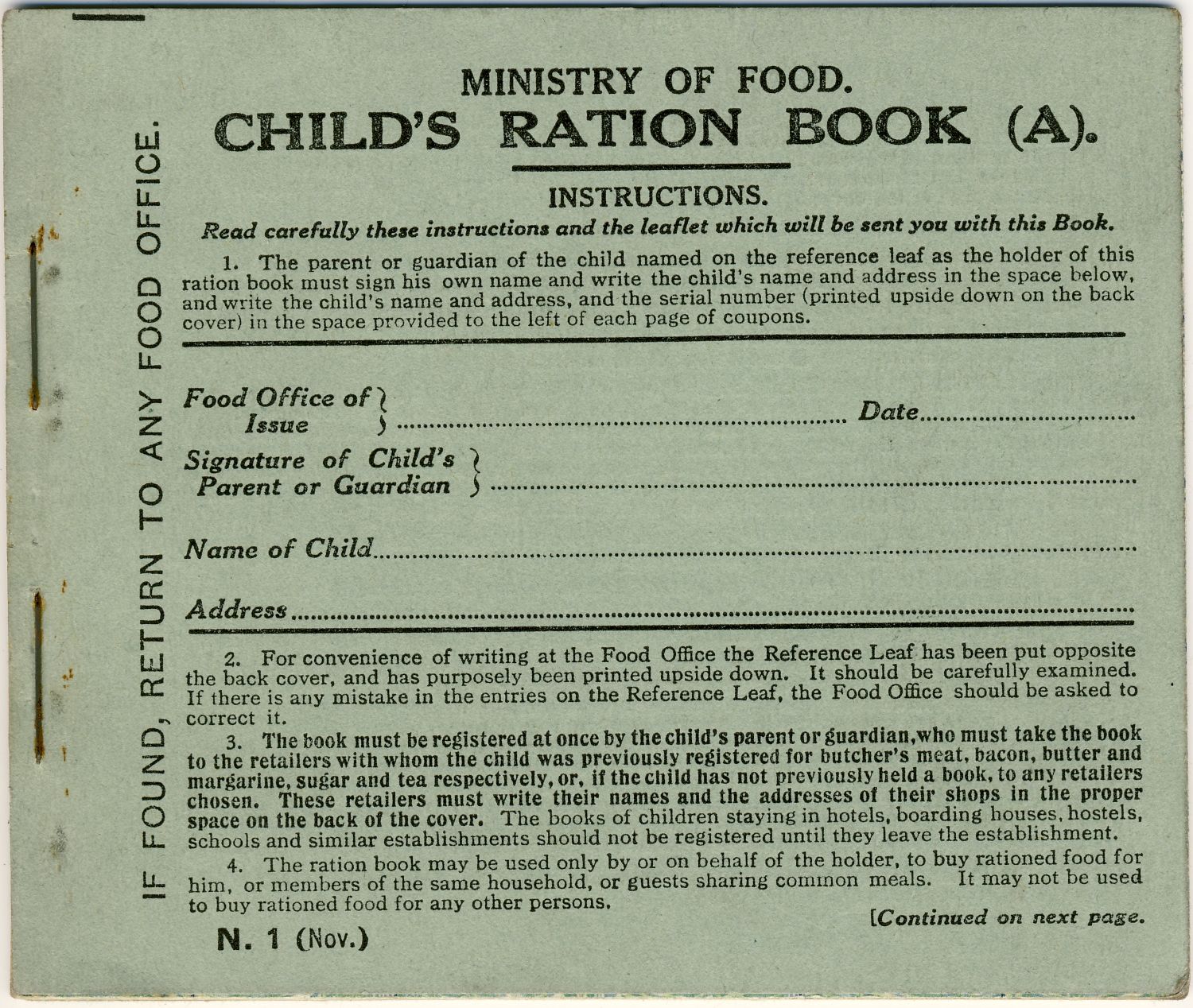
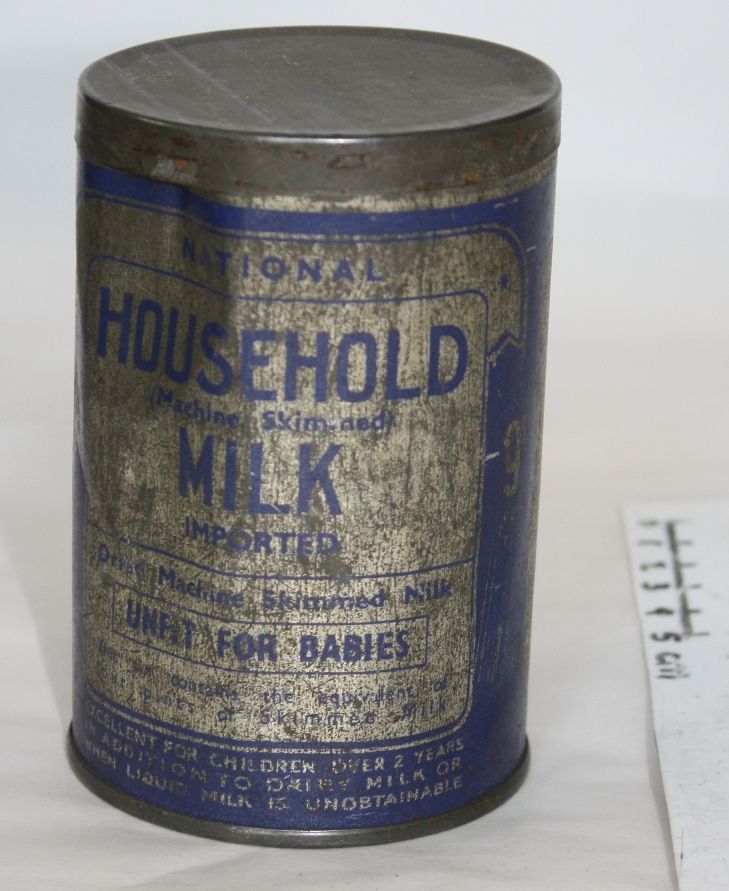
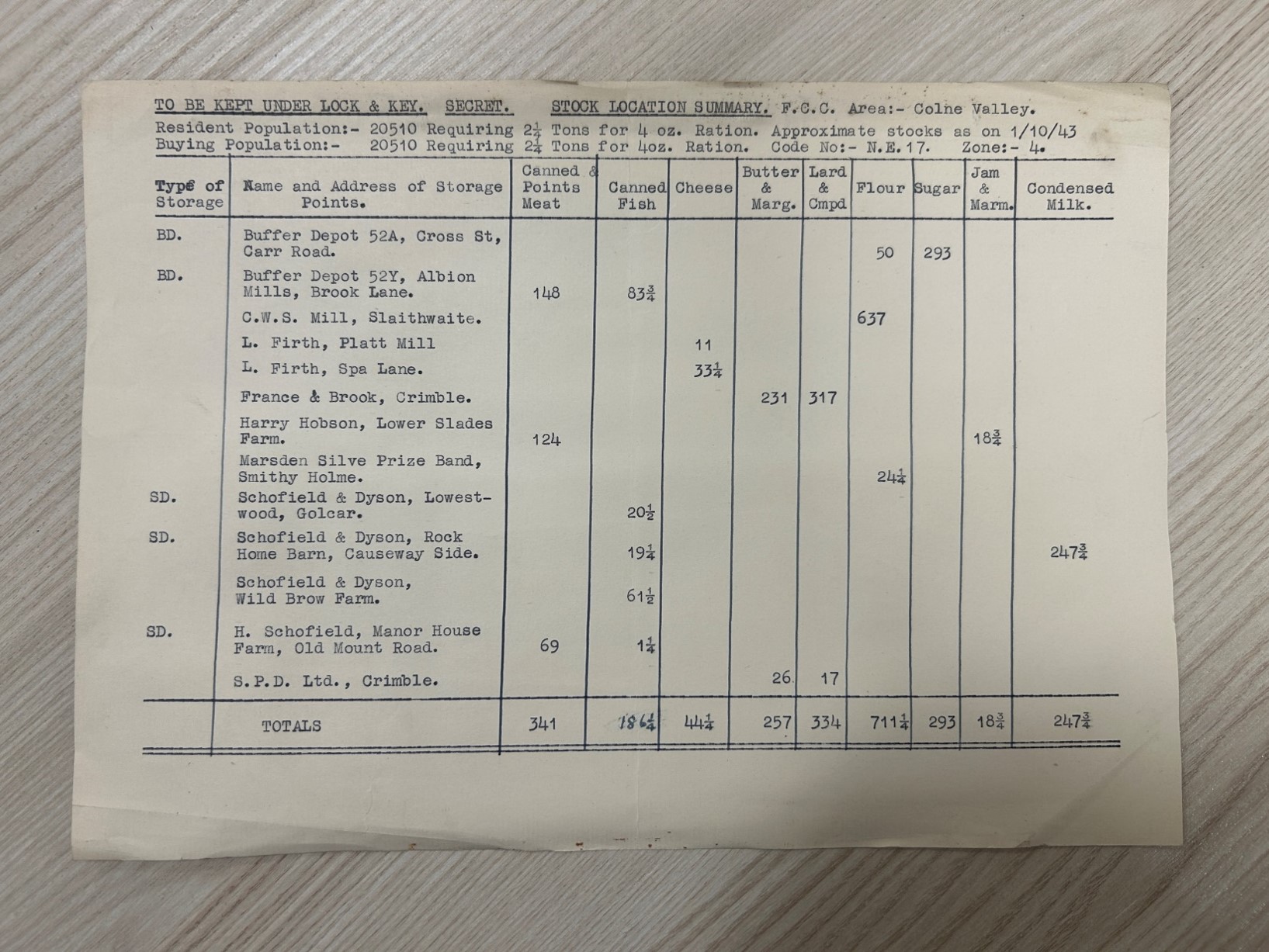
Starting on 8 January 1940, food rationing was introduced across Britain. Everyone was issued a ration book containing coupons needed to buy groceries. Many shops operated only a few days a week, leading to long queues even for rationed items. To supplement limited supplies, the Ministry of Health imported Spam, dried eggs, and dried milk from America, with dried egg powder becoming a popular ingredient for cooking. Rationing lasted well beyond the war, only ending in 1953.
Many locals kept hens and rabbits to help feed their families and others relied on the kindness of local butchers willing to help. Many grew vegetables at home, or on allotments in public places such as Ravensknowle Park.
Local Defence
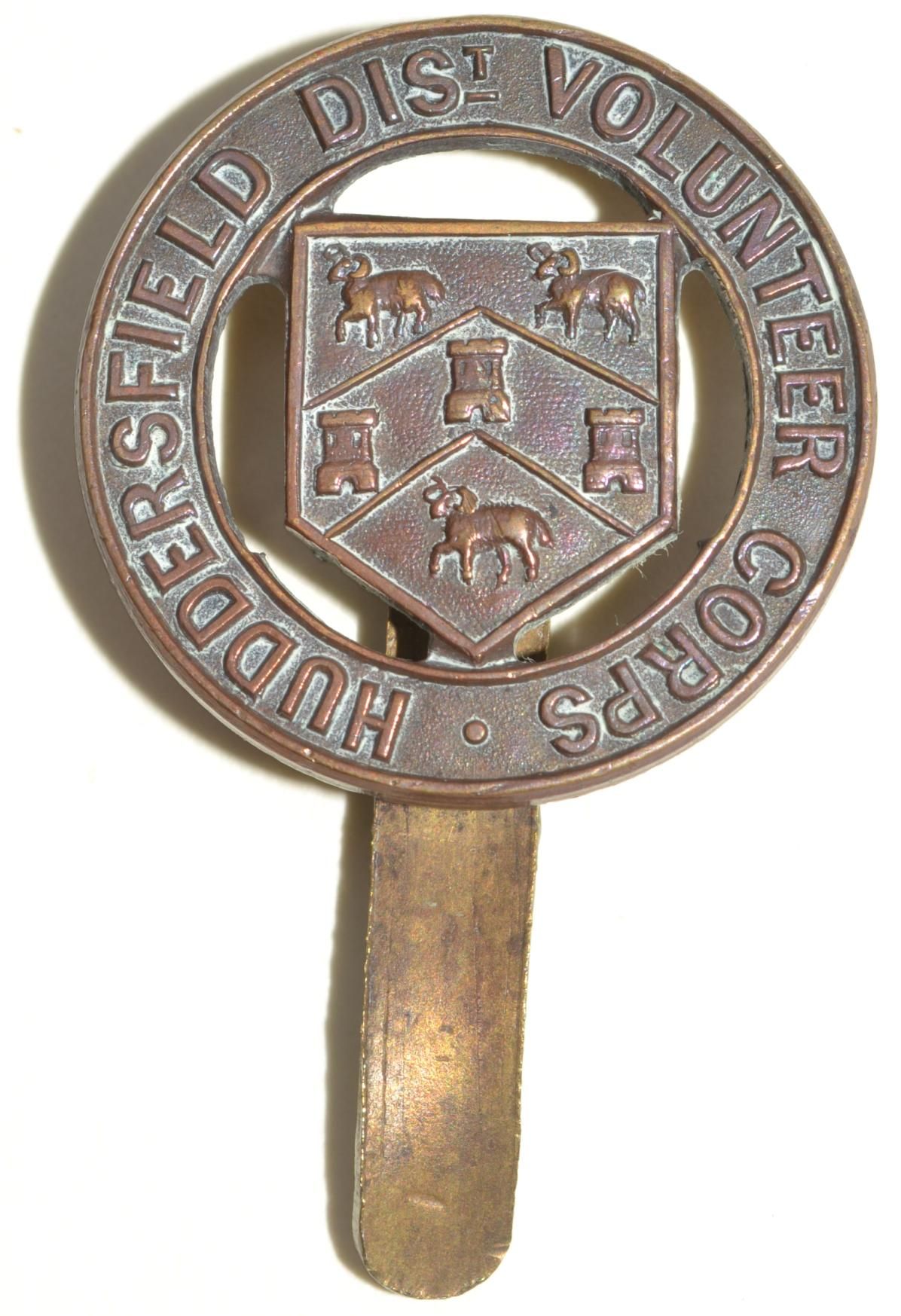
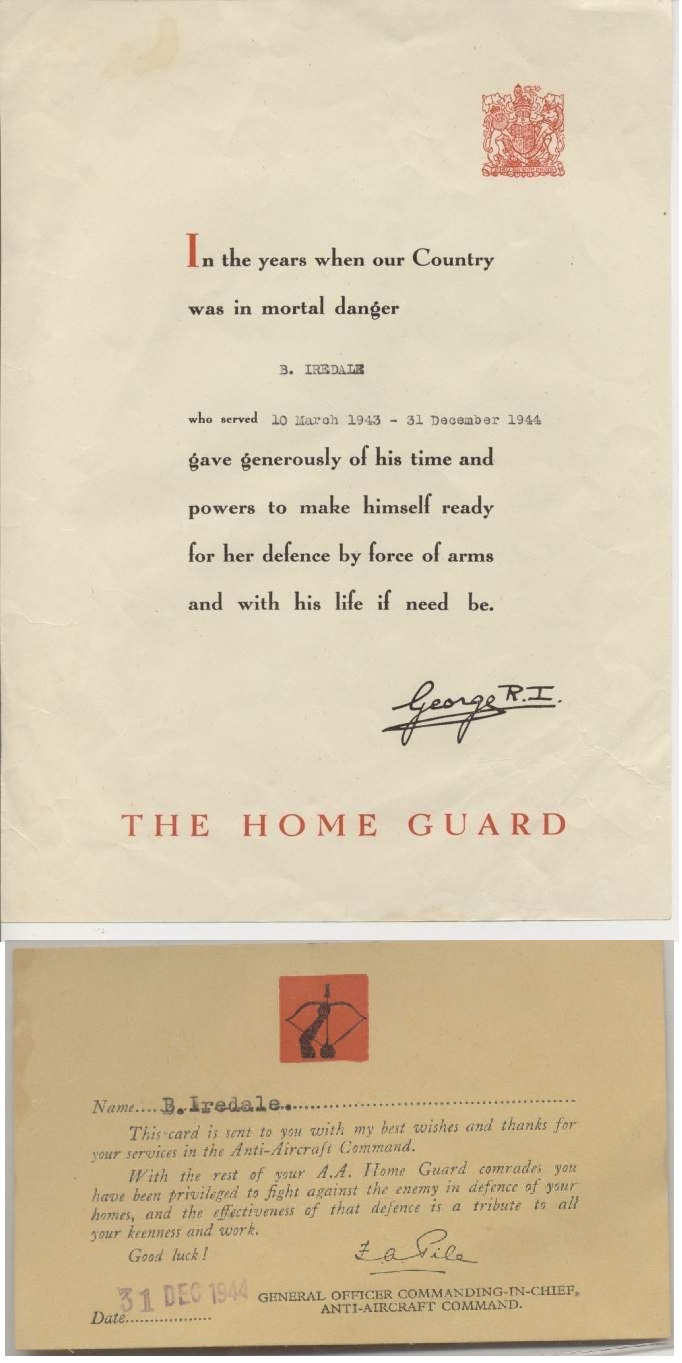
Many men and women joined local organisations to help protect their communities. One of these was the Local Defence Volunteers, later known as "Dad’s Army", who guarded places like local factories and coal pits.
Teenagers and adults also took on roles such as Fire Watchers, helping to look out for enemy bombers and protect buildings from fires caused by bombs. Fire Watchers had to attend training and be on a rota to keep watch at night.
The countryside around Huddersfield was used for military training. Near Blackmoorfoot, children would watch the Home Guard practising with rifles at a firing range. After the soldiers left, they searched the sandbagged area for spent cartridge cases, keeping them as wartime souvenirs.
Nearby at Stirley Hill, a large Heavy Anti-Aircraft Battery defended the area against high-flying enemy bombers. The site included two big gun emplacements, concrete trenches, and an underground ammo store. Manned by the Royal Artillery, this battery formed part of the wider Leeds H16 defence network. The site even had a German prisoner of war camp, where captured enemy soldiers were kept and worked under guard.
Air raids
During World War Two, families across Kirklees prepared for air raids by building Anderson shelters; these were small bunkers dug deep in gardens and covered with earth to protect against bomb blasts. Many households would sleep in these shelters during raids to stay safe.
“Anderson shelters were delivered to householders and we shared with the Crawshaws next door. They were made of corrugated metal sheets and the men dug a deep hole to wedge them in, so that we went down into them. The children thought it was fun getting up out of bed when the sirens sounded, going into the shelter and having a singsong. If the all clear sounded after 2 am we got the next morning off school. Hurray!!!. The grown ups weren’t nearly so pleased.”
- Joan Taylor, WW2 People's War*
*WW2 People's War is an online archive of wartime memories contributed by members of the public and gathered by the BBC. The archive can be found at bbc.co.uk/ww2peopleswar
In April 1937, the government formed the Air Raid Precautions (ARP) service, recruiting local men and women as wardens. They sounded sirens, enforced blackout rules, and managed unexploded bombs. Residents were issued identity cards and gas masks, children had to carry these to school or face punishment. Babies had special box-like masks, and older children carried small, sometimes uncomfortable masks. Many schools built air raid shelters or used cellars where children practiced drills wearing gas masks.
“Shortly after re-starting school we were issued with gas masks which were contained in a small cardboard box with a strap to sling over your shoulder. They were horrible things, but very necessary as we had been told that the enemy might use poison gas as the war progressed. We had to carry these to and from school every day, and during schooltime had to wear them for short periods to get used to them. Breathing was difficult and they made you feel quite claustrophobic. Some members of class used to scream or cry whenever the teacher said it was time for another rehearsal.”
- Derrick Sharp, WW2 People's War
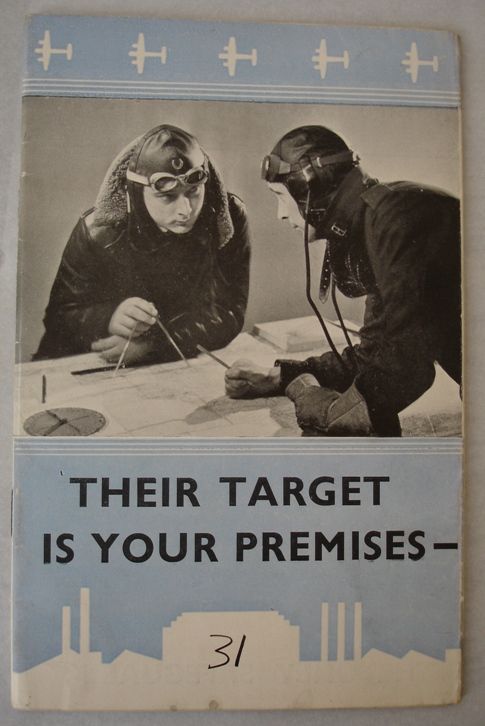
Although Kirklees saw fewer bombings than other areas, on the night of 12 December 1940, Batley and Dewsbury faced a sudden Luftwaffe raid. Many residents believed the sirens were false alarms, but bombs fell, shaking houses and causing fires. Families sheltered in Anderson shelters, cellars, and community bunkers while local volunteers and ARP Wardens helped rescue people and fight fires. Tragically, Batley lost two residents, including Private Herbert Channon, who died from shrapnel wounds, and Dewsbury lost five people, among them a mother and daughter buried when their home collapsed. Three Home Guard members died when a bomb hit the colliery offices on Wakefield Road.
On the night of 14th March 1941, the first bombs of a major Nazi air raid fell on the hills above Huddersfield, hitting rural areas such as Honley and Oldfield. It is believed the early part of the attack was aimed at the David Brown Tractor Factory in Crosland Moor, which at the time was making parts for Spitfire planes. The raid then moved on, with fire bombs landing in Gildersome, Cleckheaton and Morley. This was part of what became known as the Leeds Blitz, when 25 tons of explosives were dropped on the city, destroying around 4,600 homes. Although Leeds was the main target, much of central West Yorkshire was struck, and the night of 14 - 15 March became the most devastating of the war for people in the region, with factories damaged, houses destroyed, and lives lost.
Not all dangers came from Nazi soldiers. In July 1944, tragedy struck Fartown when an RAF Mosquito aircraft crashed into residential housing, killing four people. The pilot, Flight Lieutenant Ernest Robert James Blezard, of the Royal Air Force Volunteer Reserve, had grown up locally at 36 Dewhurst Road, Fartown. On 6 July, he took off from Finmere Airfield in Oxfordshire for a training flight but diverted to Huddersfield, where he performed low passes over his parents’ home. During a final manoeuvre the aircraft lost control and crashed, destroying one house and badly damaging another. Blezard and three civilians - Flora May Dorothy Leighton (aged 40), her son Rodney Bracken Leighton (2), and Henrietta Victoria Udell (62) - lost their lives.