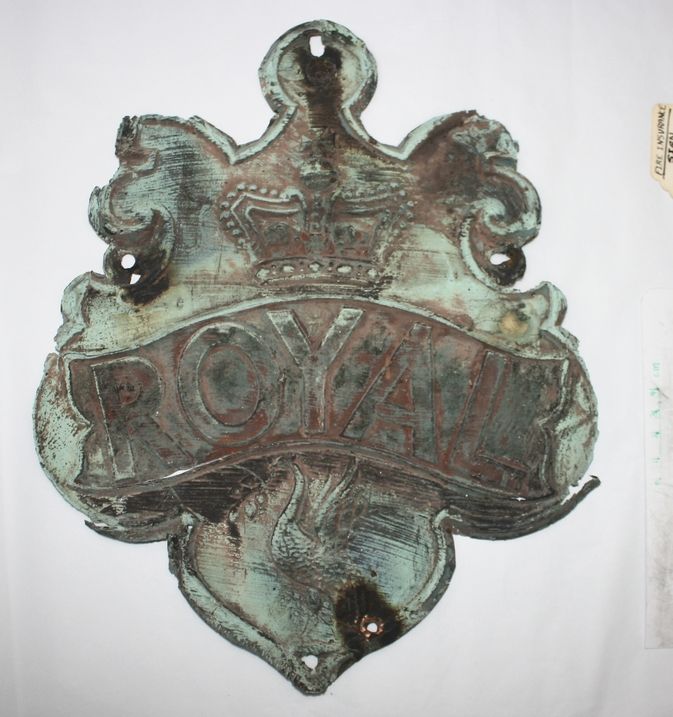
In the 17th century, there were no organised fire brigades. During the Great Fire of London, neighbours passed buckets of water and used axes to pull down buildings, trying to stop the flames. After the fire, fire insurance companies were formed and employed small teams of firemen. These were the first steps toward modern fire services.
In Kirklees, stone houses and space between buildings made fires less dangerous. Each home had a hearth and families kept water, sand and blankets nearby to prevent small fires from spreading. Children learned how to use fire safely because it was part of daily life.
Helping others was part of community life. Villagers worked together to put out fires, and the church often helped families who had lost their homes or possessions. These early acts of cooperation later developed into organised public services, including constables, watchmen and fire brigades. It wasn’t until the early 1700s that fire insurance marks began to be used. These were metal plates affixed to buildings by the insurance company as a guarantee to the insurance company’s own fire brigade.