Kirklees has experienced its own serious disasters. One example is the Great Holmfirth Flood of 1852. Like the Great Fire of London, it shows how ordinary people had to act quickly to protect themselves and their homes, and both disasters were partly caused by human activity. The fire started in a baker’s shop and spread because houses were built close together. The flood happened because the Bilberry Reservoir was poorly built and maintained, and the embankment collapsed during heavy rain.
In the early hours of 5 February 1852, around 86 million gallons of water rushed down the Holme Valley. Homes, bridges, and mills were destroyed, and about 80 people died.
The flood was connected to the Industrial Revolution. Textile mills and dye works were built along the river, and reservoirs were constructed to supply water. During construction of Bilberry Reservoir, a spring was blocked with rubble and clay instead of being safely redirected. Over time, the water weakened the embankment and caused it to fail.
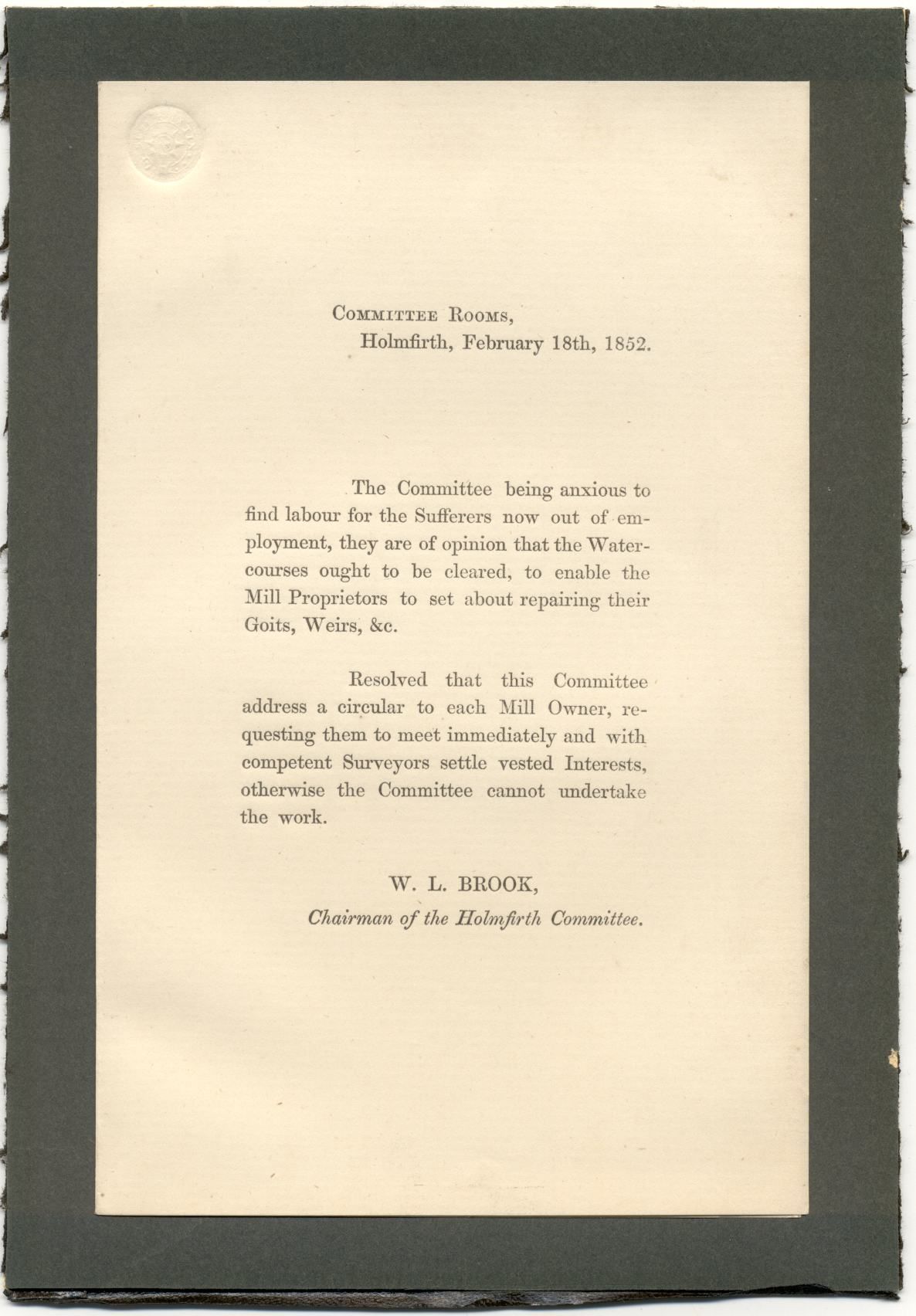
After the flood, the community rebuilt the local area and neighbours helped each other by sharing food and offering shelter. Reservoirs were better maintained to prevent future disasters.
The Holmfirth flood was similar to the Great Fire of London because both disasters caused destruction, required communities to act quickly, and led to changes to prevent future problems. The fire led to new building rules in London, and the flood led to improved reservoir safety in the countryside.