The images in this resource represent a snapshot of how M&S food has developed. Some of the highlights are listed below and you can download the full timeline (as a PDF) from the Resources section.
1884 – Penny Bazaar market stalls sold basic food items, such as flour, spices and confectionery.

1935 - Cafe Bars opened in a selection of stores.

1947 - Self-service food shopping was introduced at M&S, allowing customers to select their own food from open shelving.

1960s/1970s - Technology came to the forefront, with fresh chilled chicken going on sale for the first time in newly installed chilled cabinets, and a range of frozen foods being developed.

1972 – M&S started adding sell-by dates to food packaging. This was adopted by other retailers and eventually became a legal requirement.
1974 - Foil-wrapped, boil-in-the-bag, convenience foods such as Ravioli, were introduced - a radical alternative to frozen or canned meals.

1980 - Pre-packed sandwiches were launched (freshly made sandwiches were first sold at M&S in the 1920s). The most popular filling was prawn and mayonnaise, which was introduced in 1981.
Image – 1982 sandwich display
1993 - Percy Pigs were launched.

2004 - The first 'This is not just food… this is M&S Food' television advert was aired. One of the most iconic adverts from this campaign featured the Chocolate Melt in the Middle pudding.

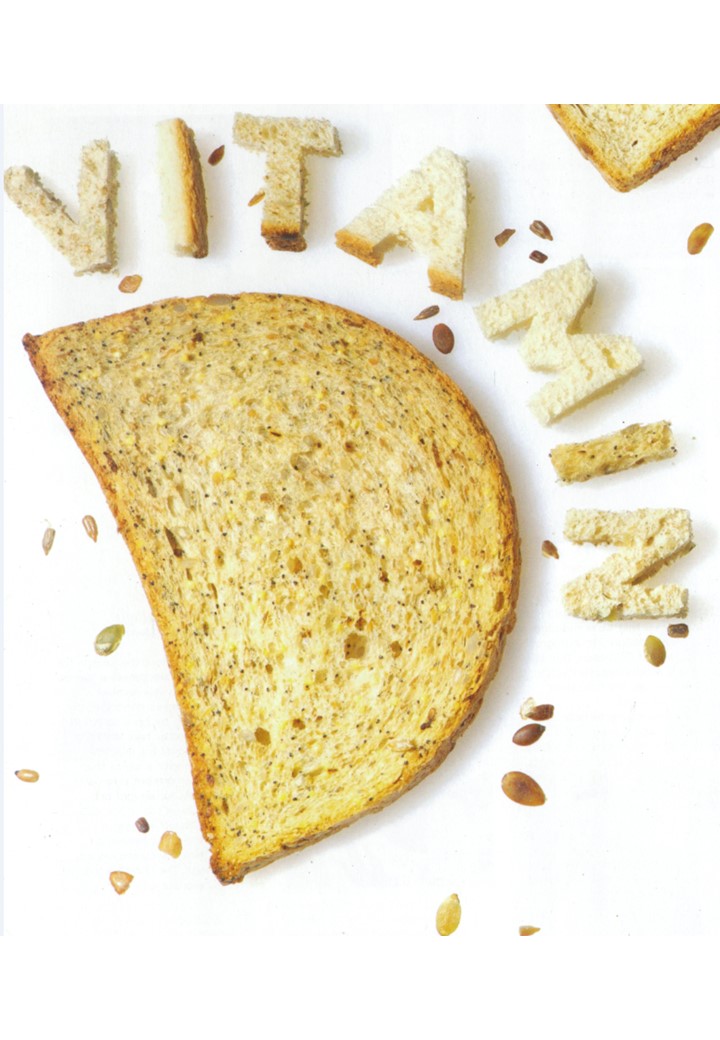
2016 - M&S introduced a special yeast containing Vitamin D which improves bone health. Two slices of bread included 15% of the recommended dietary allowance for Vitamin D.
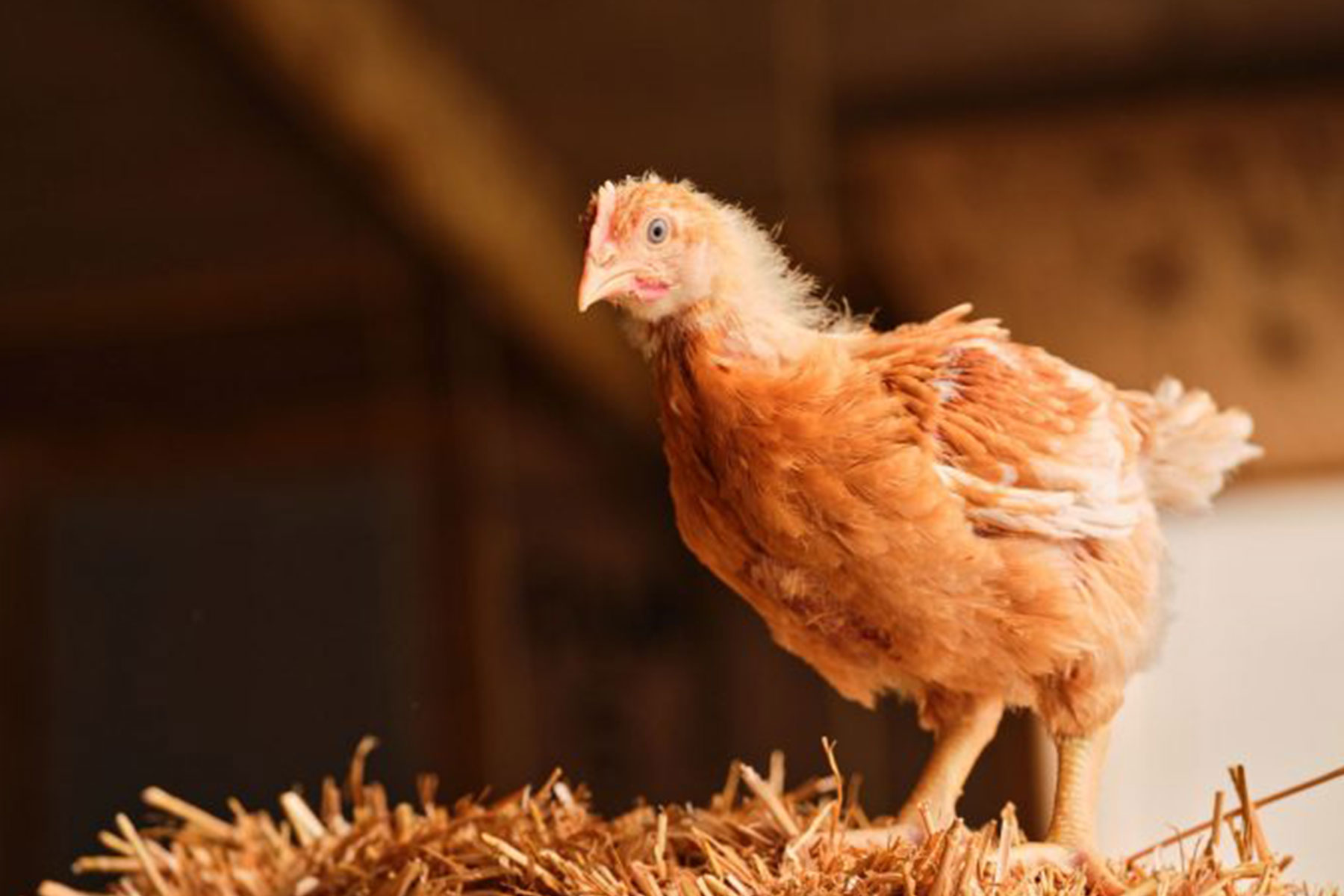
2022 - M&S became the first national retailer to sell 100% slower-reared, higher-welfare fresh chickens.
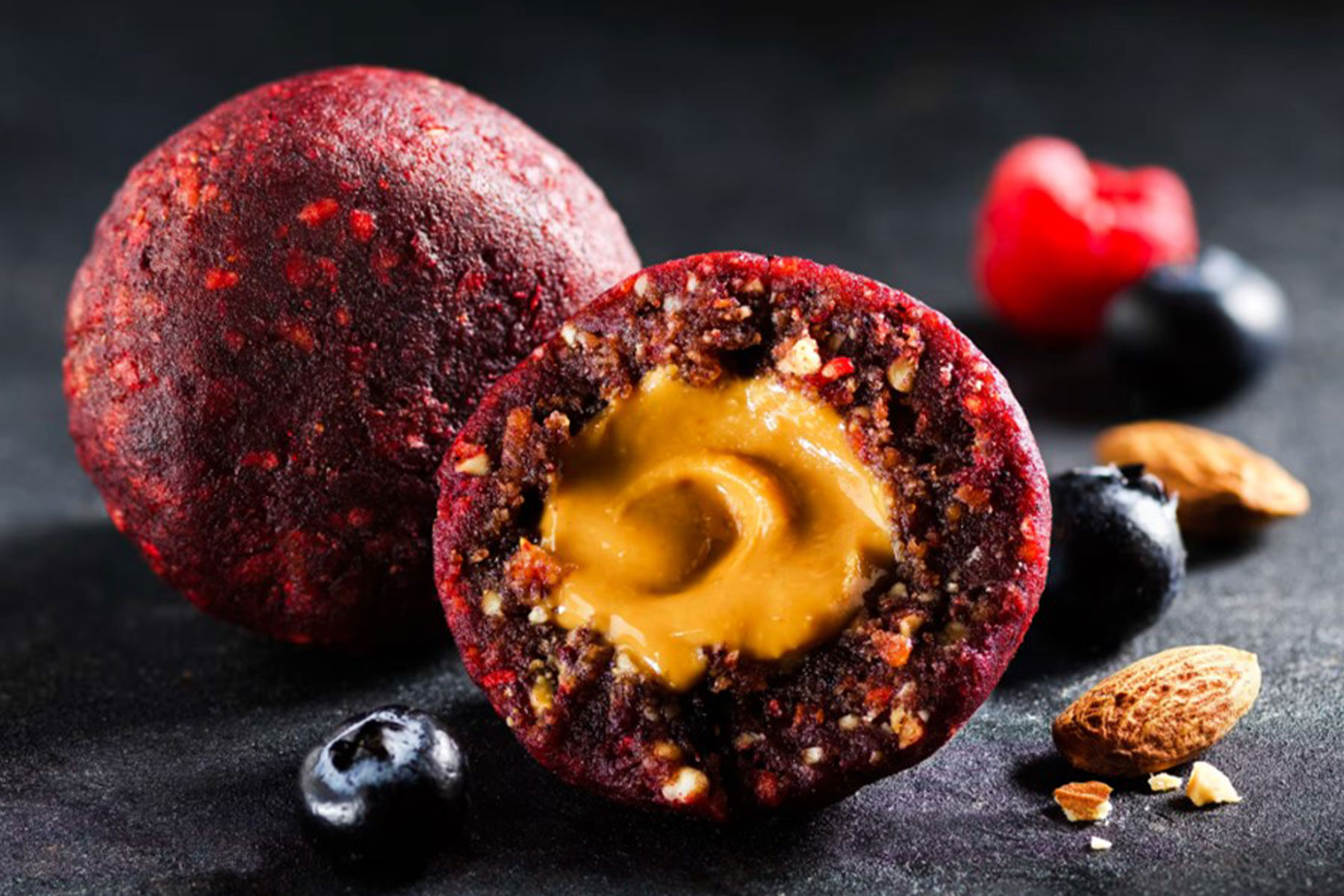
2025 - The M&S Brainfood range was introduced, focusing on six essential nutrients that support brain function – Omega 3 (DHA), Iron, Zinc, Iodine, Folate, and Vitamin B12.
Glossary
Recommended dietary allowance (RDA) - The amount of a nutrient a person needs on a daily basis.