When we think about museums, we often think about the exhibitions, objects and galleries that we see as visitors. We might also think about the people who greet us at the front desk, lead tours or help us during our visit.
But museums are made possible by many different people working together behind the scenes. From curators and conservators to digital specialists, community engagement staff, learning teams and technicians, museums rely on a wide range of skills, experiences and interests.
In 2025, DCMS estimates show that millions of people work across the UK’s cultural, creative and heritage-related sectors. These include museums, galleries, archives, libraries, historic places, arts organisations, community groups and digital roles — all areas where people use creativity, research, communication and practical problem solving to help others connect with stories, places and collections.
Below are some examples of the different types of jobs that can exist within museums and galleries.
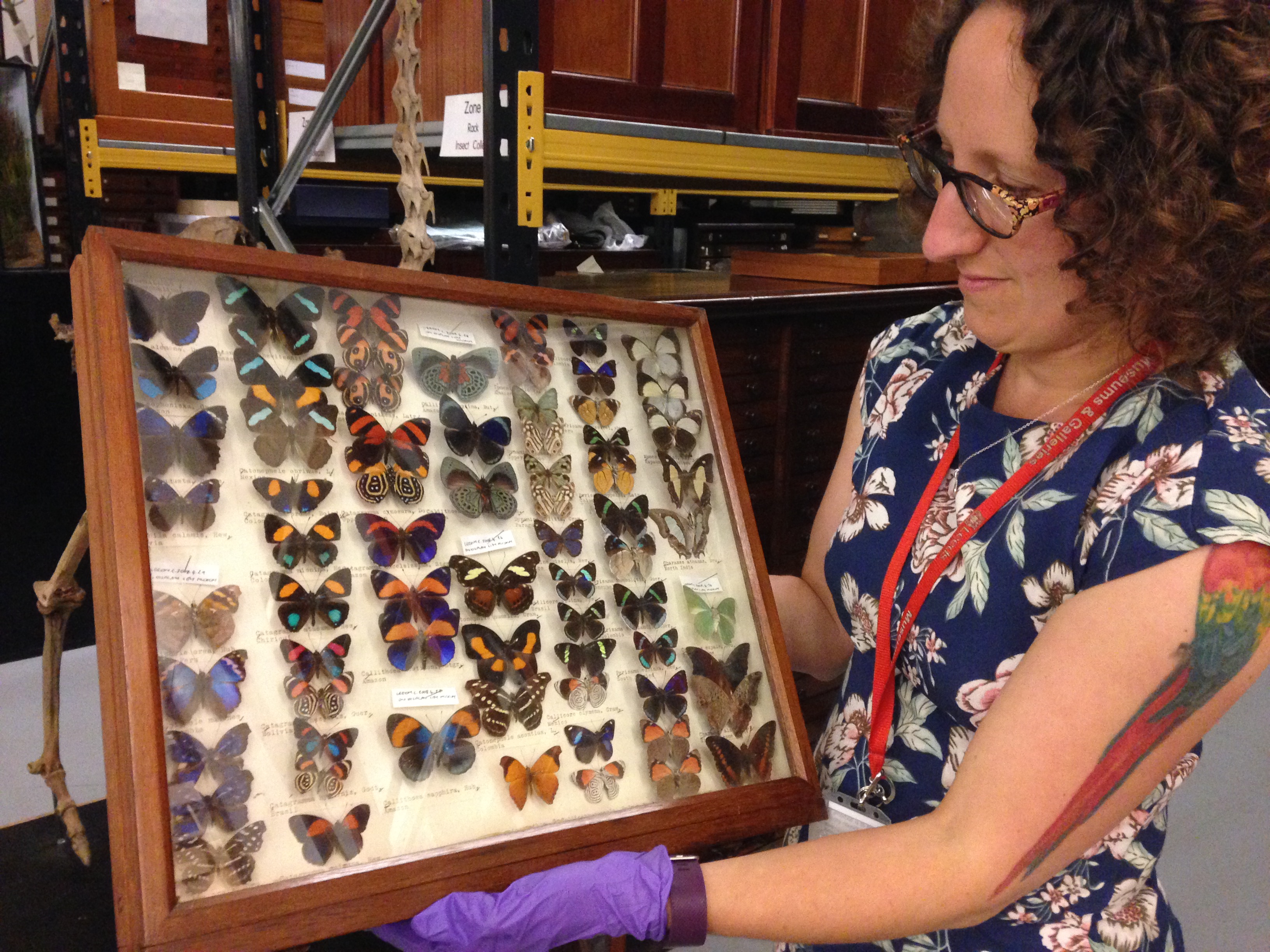
Visitor-Facing Roles
These are roles where staff regularly interact with visitors, schools, families and community groups. People working in these positions often need strong communication skills and enjoy working with the public.
- Learning Officer: Develops and delivers workshops and activities for schools, families and community groups.
- Café Worker: Prepares and serves food and drinks for visitors.
- Front Desk Staff: Welcomes visitors, answers questions and supports museum admissions.
- Cleaner: Helps keep museum spaces safe, clean and welcoming.
- Retail Manager: Selects products for museum shops and manages retail displays and staff.
- Shop Assistant: Supports visitors and sells products within the museum shop.
- Guide: Leads tours and helps visitors learn more about collections and exhibitions.
- Community Officer: Works with local communities to create activities, projects and partnerships.
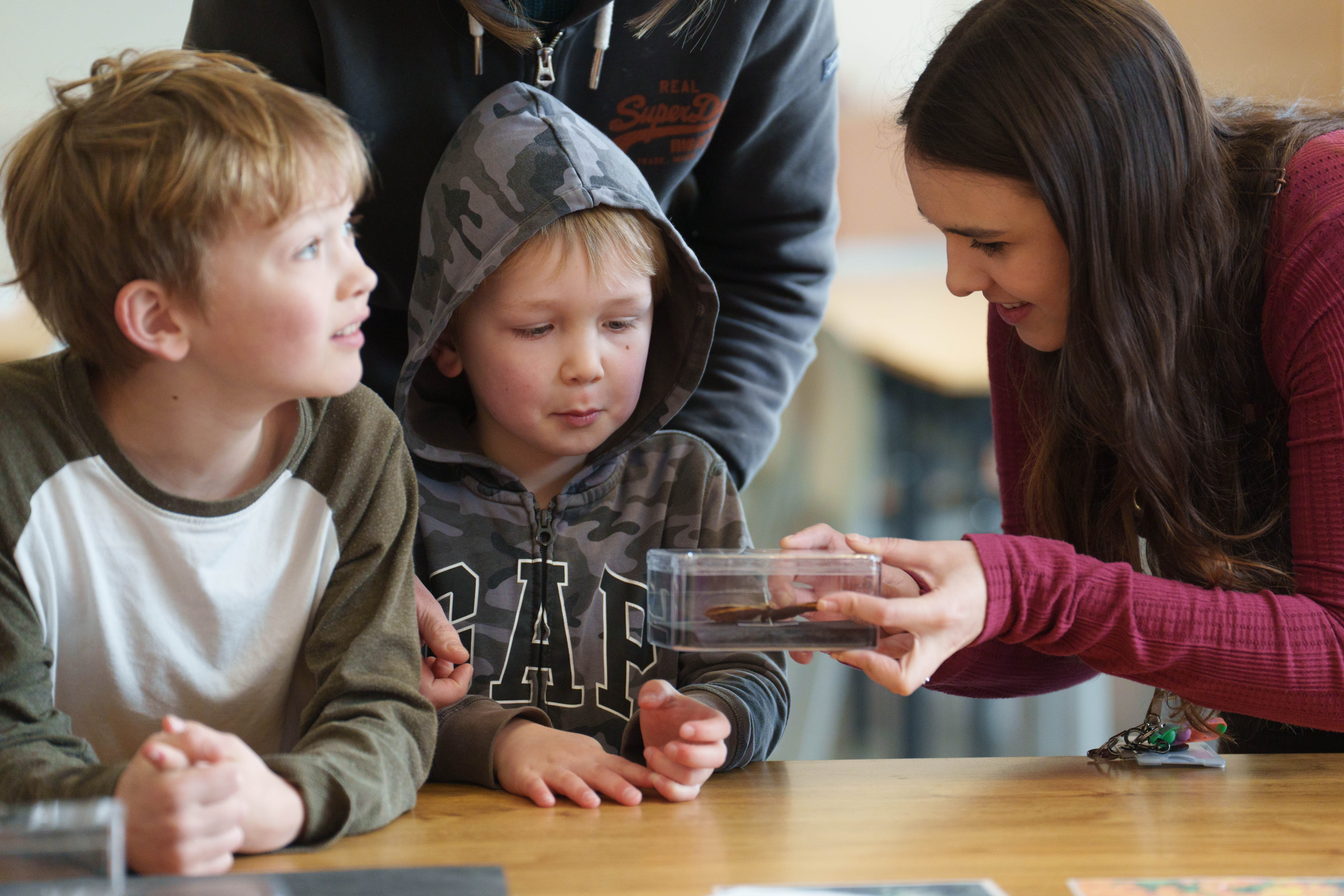
Behind-the-Scenes Roles
Many museum roles happen away from public galleries and visitor spaces. These jobs can involve research, conservation, collections care, digital work, design, planning and fundraising.
- Curator: Researches collections, develops exhibitions and helps decide which objects are displayed.
- Conservator: Protects, repairs and cares for museum objects and collections.
- Marketing Officer: Promotes the museum through advertising, campaigns and social media.
- Display Technician: Builds exhibition spaces, cases and object displays.
- Archivist: Organises, preserves and provides access to historical documents and records.
- Fundraiser: Helps secure funding and financial support for museum projects and activities.
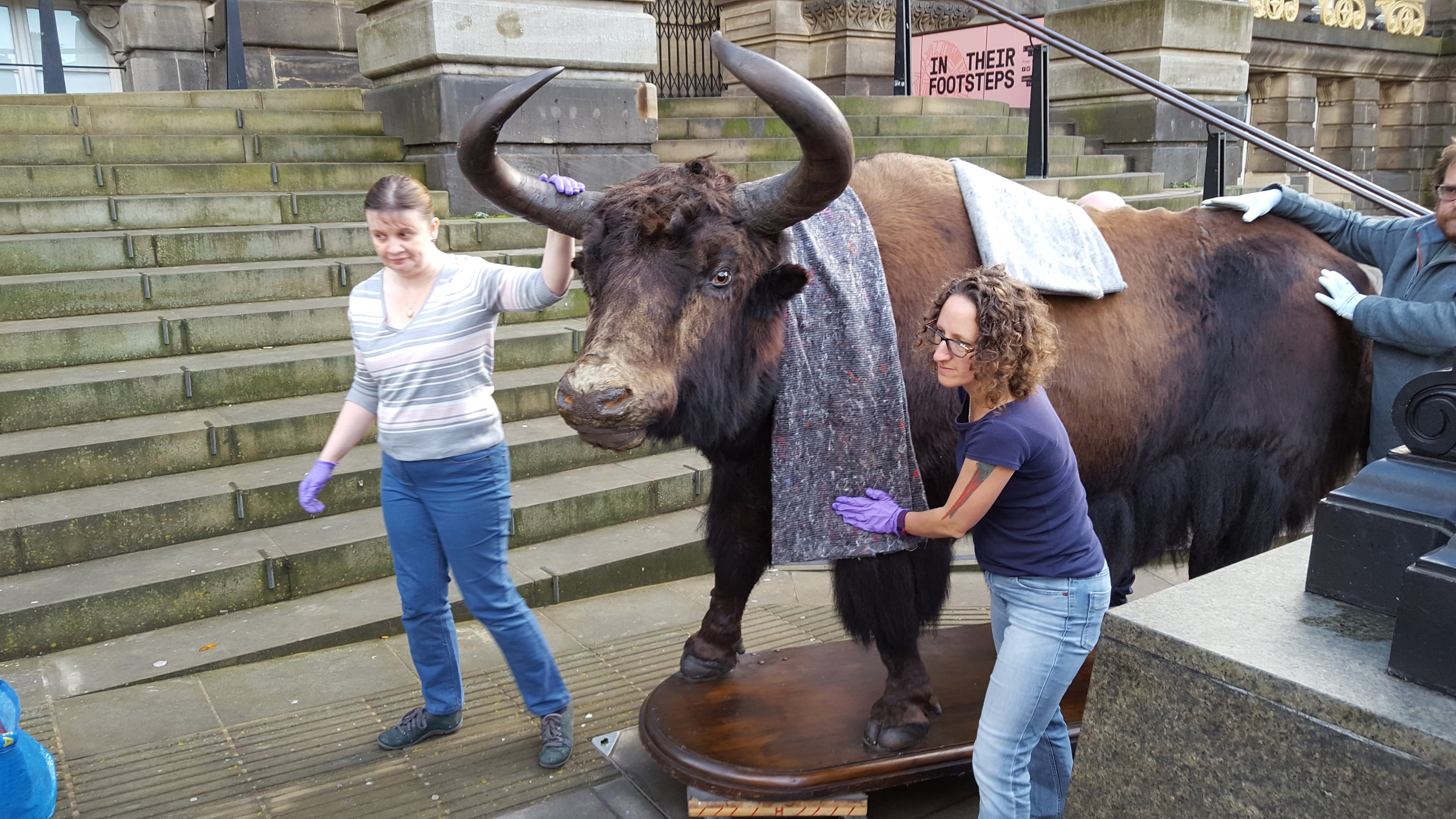
Larger museums and organisations may also employ specialist roles such as:
- Researchers and Scientists: Carry out specialist research that may contribute to publications, exhibitions or new discoveries.
- Digital Specialists: Create digital experiences, interpretation and online content.
- Graphic Designers: Design visual materials for exhibitions, publications and digital platforms.
- Web Developers: Build and maintain museum websites and online resources.
Volunteering
Many museums also offer volunteering opportunities. These roles can help people develop confidence, gain experience, meet new people and learn more about working within the heritage sector.
Volunteer roles can vary greatly depending on the museum and project.
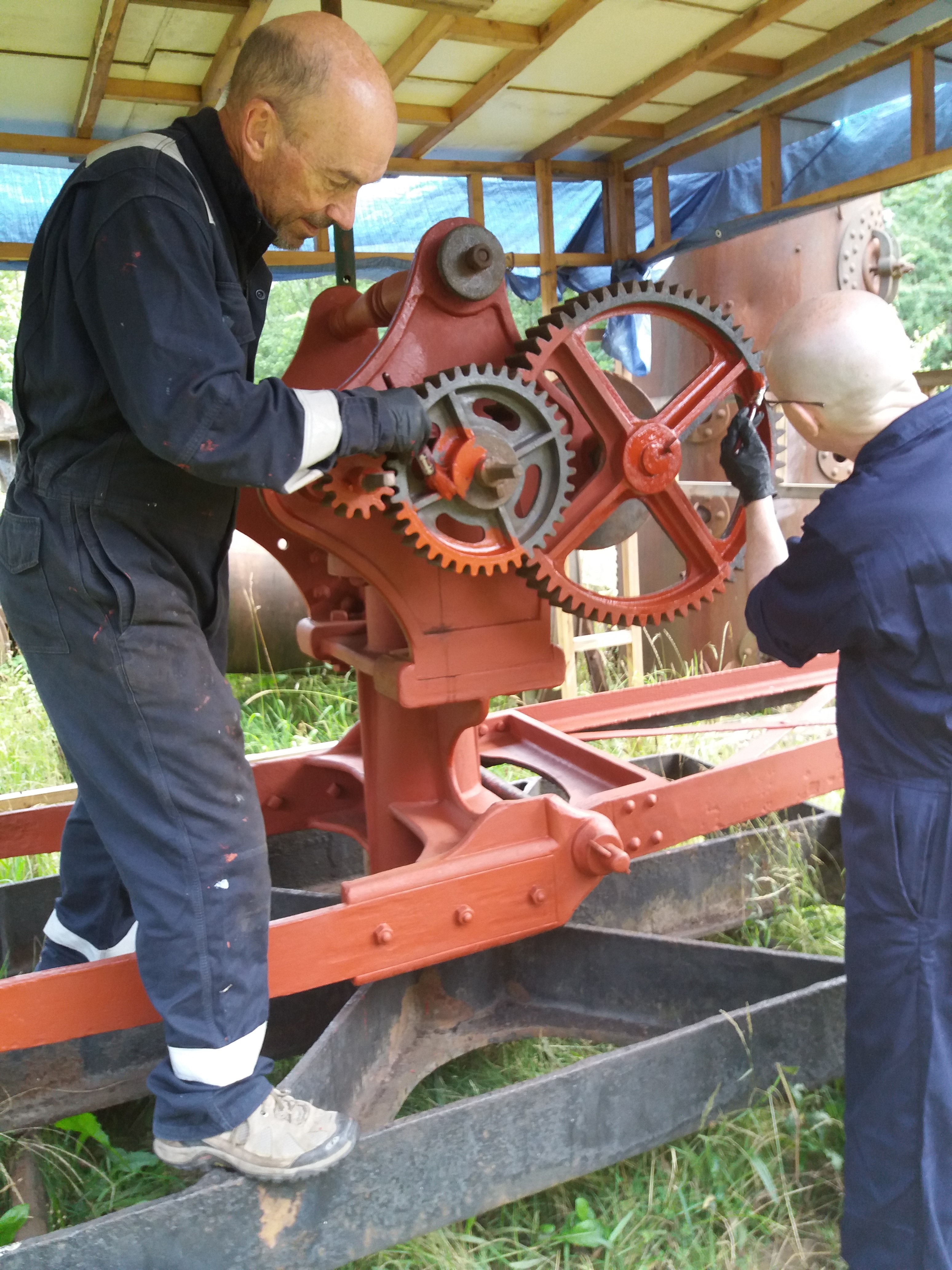
Leeds Museums and Galleries has previously supported volunteers in areas including:
- Conservation
- Education
- Documentation
- Administration
- Guiding