The first Viking raids on England began in 787 AD, but it was not until after 850 AD that Vikings began to settle permanently. Most Viking settlers lived in the area known as the Danelaw, which included parts of the East Midlands, Yorkshire, and East Anglia. However, Viking settlement in West Yorkshire, including Kirklees, was more scattered and less prominent than in places like York or East Yorkshire.
“In this year the army went from East Anglia over the mouth of the Humber to York in Northumbria. And there was great civil strife among the Northumbrians themselves... and they fought the Danes at York, and broke into the town, and a great slaughter was made among the Northumbrians, some within and some outside; and the survivors made peace with the army.” Anglo-Saxon Chronicle (867)
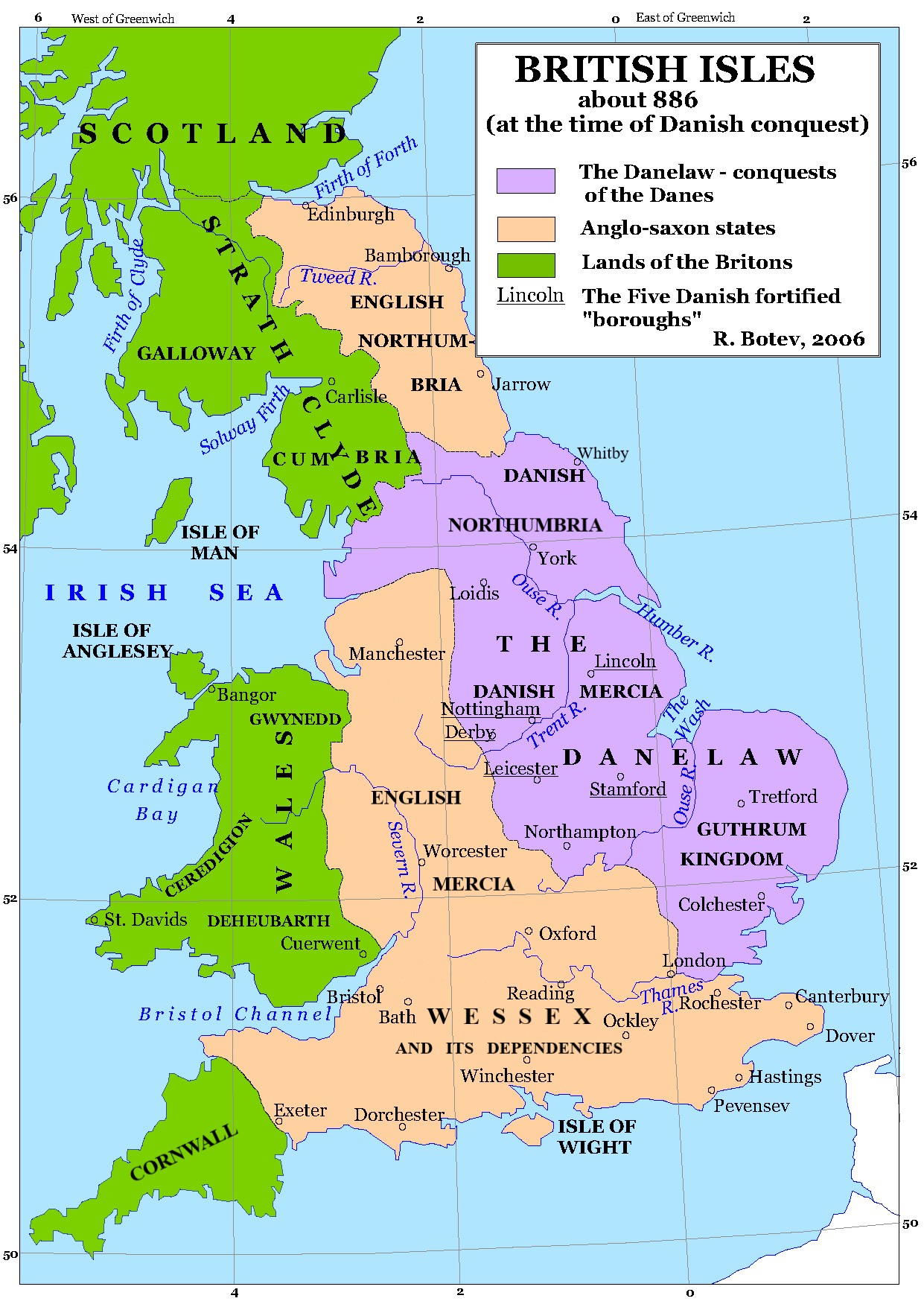
The Vikings arrived in Yorkshire during the 870s, drawn by the fertile lands around the Vale of York. Kirklees was part of the West Riding of Yorkshire, a region created by the Danes to help govern their new territory. The city of York, called Eoforwic by the locals, and renamed Jorvik by the Vikings, became the capital of the Viking kingdom in England and an important centre of Viking power.
“And in this year, part of the army went into Northumbria and settled there...” Anglo-Saxon Chronicle (867). The name ‘Anglo-Saxon Chronicle’ was used as a title much later by historians, the people who wrote it never called it that themselves.
Archaeological excavations in York have uncovered well-preserved remains of Viking homes, workshops, and streets, revealing a bustling, diverse town. These discoveries show that Viking York was a thriving trading hub, where people worked as craftsmen, traders, and farmers. The finds include tools, jewellery, weapons, and everyday items, giving us a glimpse into the daily lives, skills, and culture of the Vikings who lived there.
Kirklees
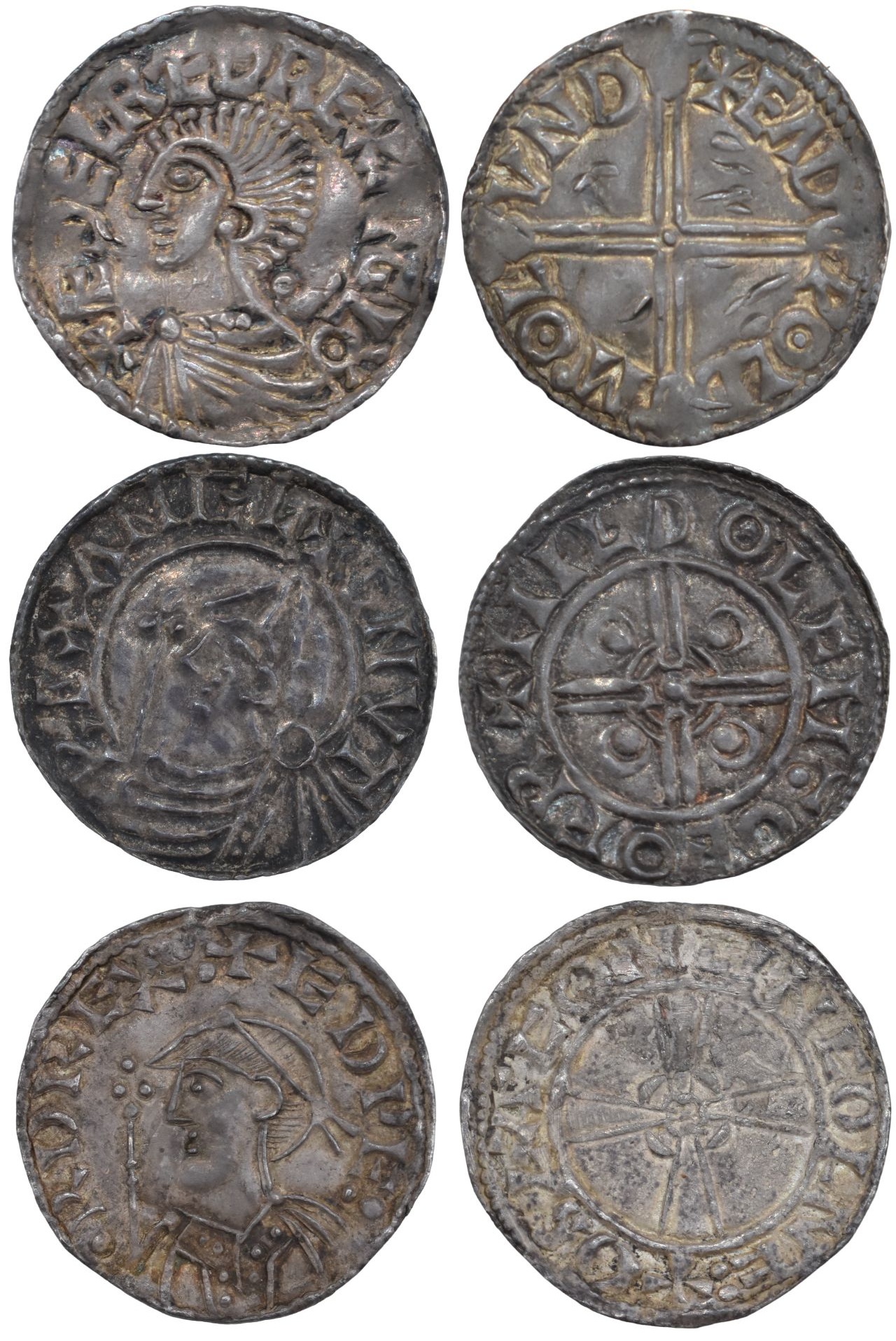
While West Yorkshire has fewer archaeological remains connected to the Vikings than York or East Yorkshire, several significant finds have been made. In Normanton, metal detectorists have uncovered Viking-age silver coins and fragments of weapons. Near Featherstone, pieces of Viking jewellery have been found on farmland, indicating some Viking presence or influence. Around Hebden Bridge, silver rings and brooches from the Viking period have also been discovered. Additionally, in Todmorden, artefacts such as arm-rings and weapon parts have been recorded, providing further evidence of Viking activity in the area.
Even though direct Viking remains are limited, the strong Norse influence in Kirklees and West Yorkshire is clear from local place names. Names ending in “thorpe” (meaning village or farm), “by” (meaning settlement), and “thwaite” (meaning clearing) all derive from Old Norse, a Viking language. Examples in Kirklees include Skelmanthorpe, Sowerby, Fixby, Denby, Ravensthorpe (the farmstead of a man called Hrafn), and Slaithwaite (a clearing where timber was felled). These place names preserve the memory of Viking settlers and their activities along the Calder, Colne, and Holme rivers. For instance, a Viking named Guthleikr or Guthlaugr once held a hill pasture at Golcar.
Daily Life
The Vikings likely used parts of West Yorkshire as farmland, small settlements, or outposts, but the region was probably less densely settled than the York area itself. The River Holme Valley, for example, has been suggested as a possible area of Viking settlement, where they may have left a lasting impact on the landscape and local communities.
Life for Vikings in West Yorkshire would have involved farming fertile land, raising animals, and living in small communities. They built wooden houses with thatched roofs, like those of the Early Medieval people. Farming crops such as barley and oats was an important part of daily life. Crafting and trade were also significant, with Vikings making tools, weapons, and jewellery by hand. Religion became important during this period as many Vikings converted to Christianity, influencing the construction of churches and carved crosses.
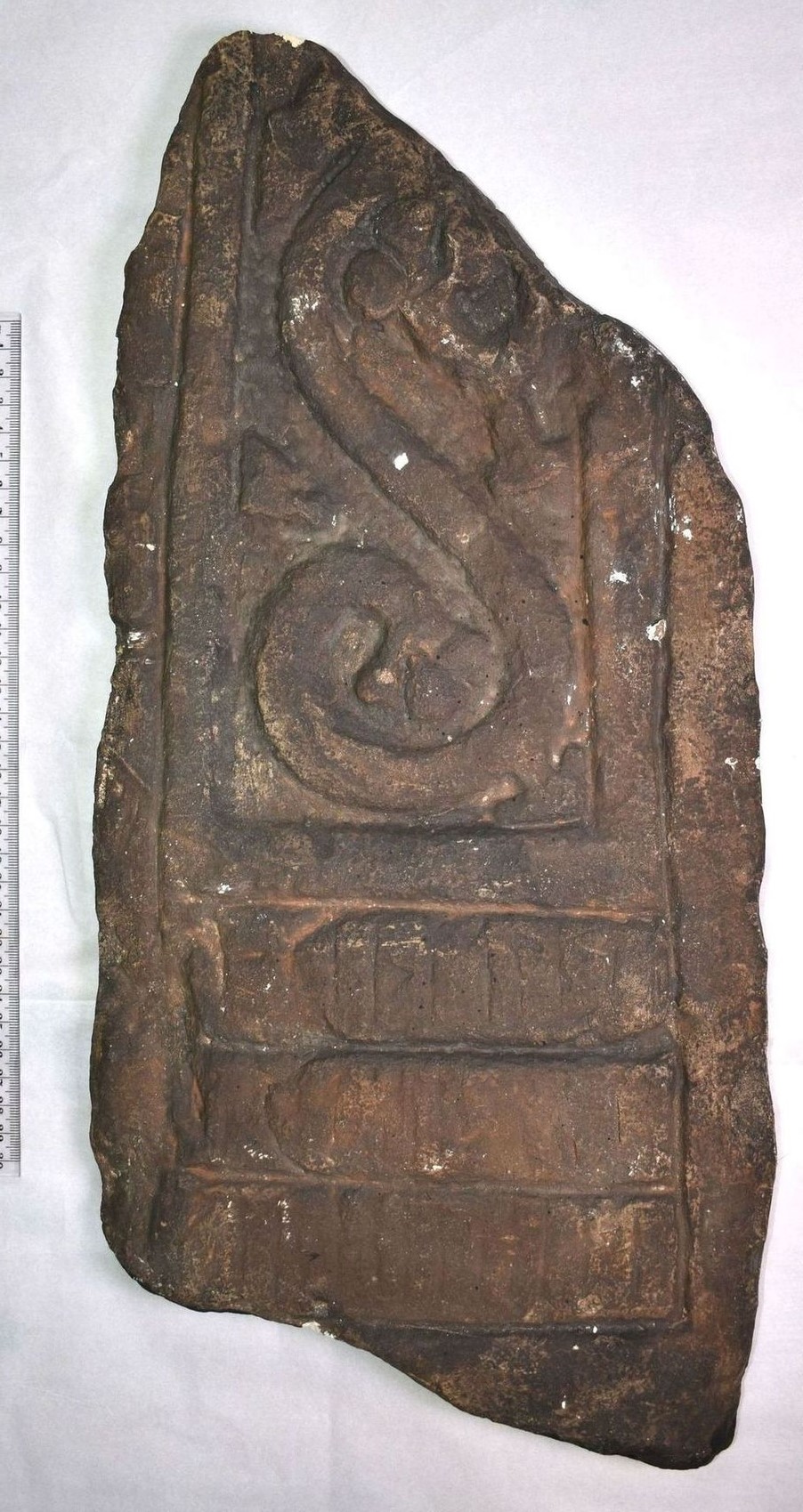
One of the clearest Viking legacies in Kirklees is seen in carved stones dating from the late 900s to early 1000s AD. Often found near later churches, these stones suggest the Vikings helped establish early Christian sites in places such as Dewsbury, Kirkheaton, Kirkburton, High Hoyland, Cawthorne, and Mirfield. A notable example is Walton Cross, a carved stone cross-base near Hartshead Church dating from around 975 to 1000 AD.
By the 10th century, place names provide evidence of the arrival of Norwegian settlers in the region. By the time of the Domesday Book in the 11th century, nearly 31 percent of place names in the West Riding of Yorkshire showed Scandinavian origins, demonstrating the lasting impact of Viking settlement in this part of England.