The M&S supply chain is global. M&S doesn’t own any farms or factories or make the products that are sold in stores.
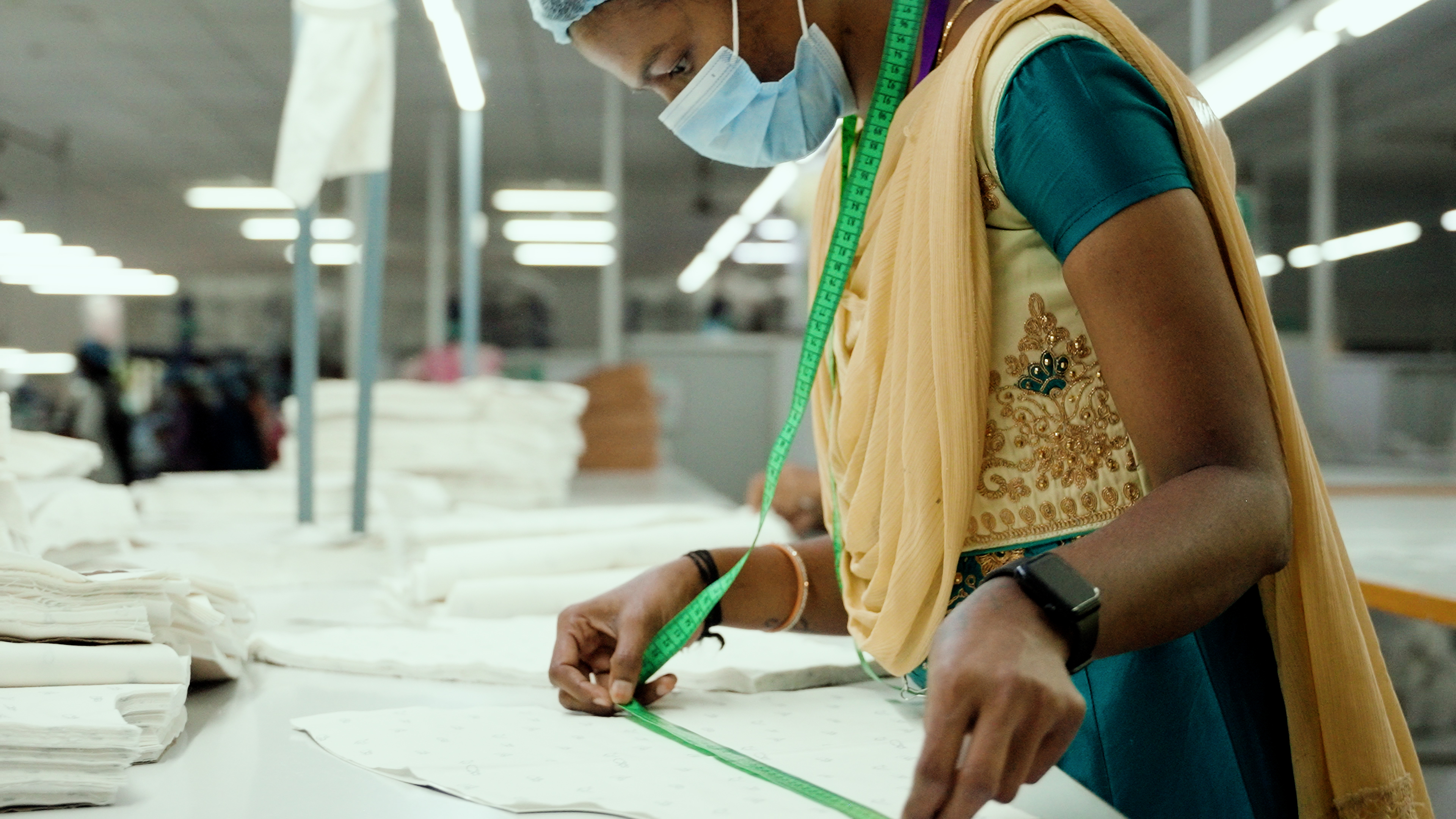
Through paying a fair price to suppliers, supporting local communities and ensuring good working conditions for everyone working in the supply chains, M&S aims to be an ethical company.
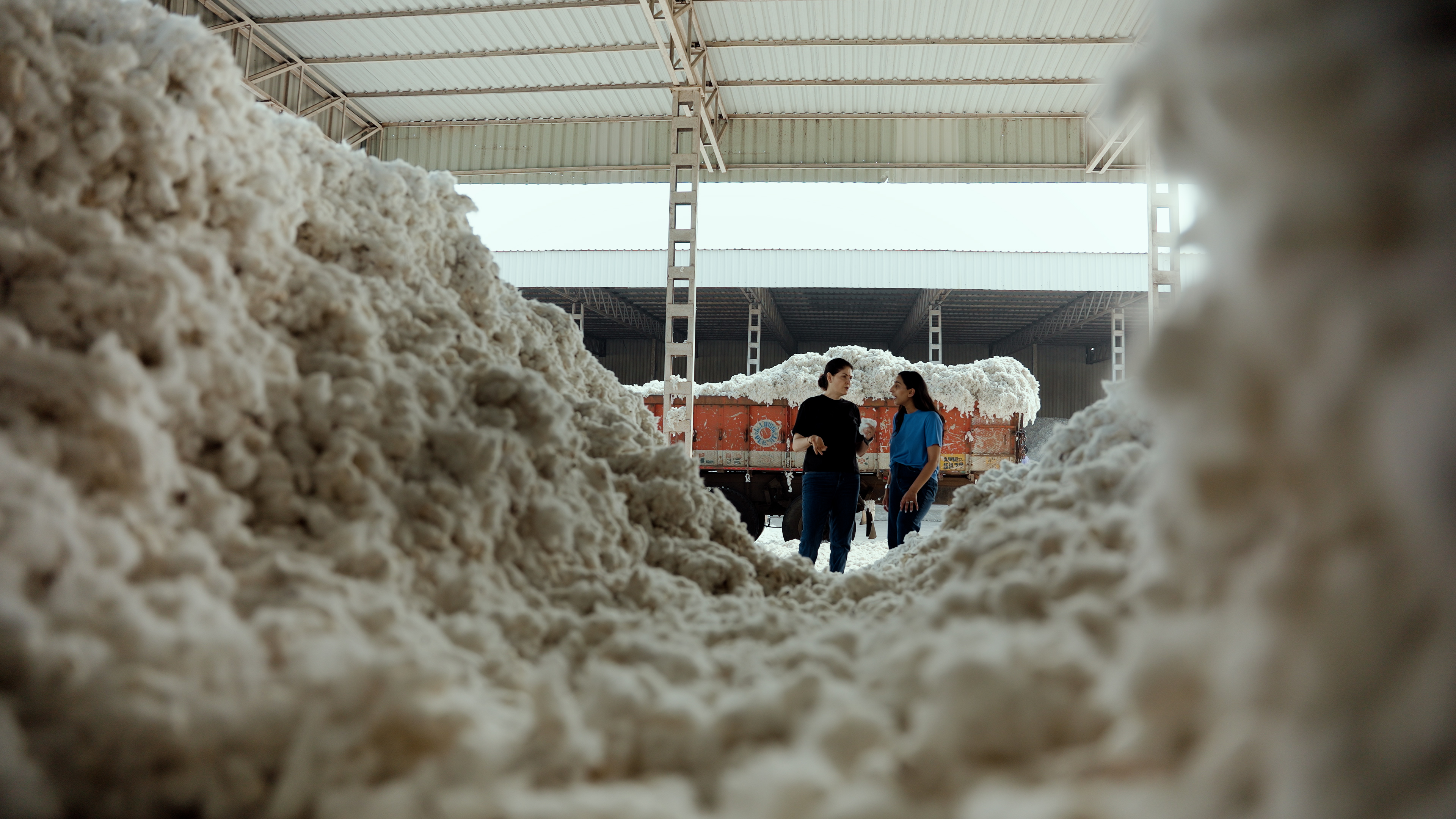
Clothing is designed by M&S teams based in London, then the designs are sent to supplier companies who make the clothing in factories in countries including Bangladesh, China, Cambodia, India, Pakistan, Sri Lanka, Türkiye and Vietnam.
For example, making cotton fabric for denim uses lots of water and chemicals. M&S sells around 5.2 million pairs of women's jeans a year, so plays an important role by working with supplier partners to reduce the environmental impact of denim production. Working in partnership with an organisation called Better Cotton, M&S helps farmers to save more water, care for soil health and respect biodiversity – all in an effort to slow down climate change.
For food, M&S works with suppliers who make products at over 1000 factories. The majority of these factories are in the UK, but the supplier companies themselves have global supply chains which span more than 55 countries.
M&S is committed to sourcing responsibly and works closely with suppliers to make sure they respect human rights by providing good working conditions and fair pay, improve sustainability, and support local communities.
In complex global supply chains, there will always be challenges, and there will always be ways to improve.
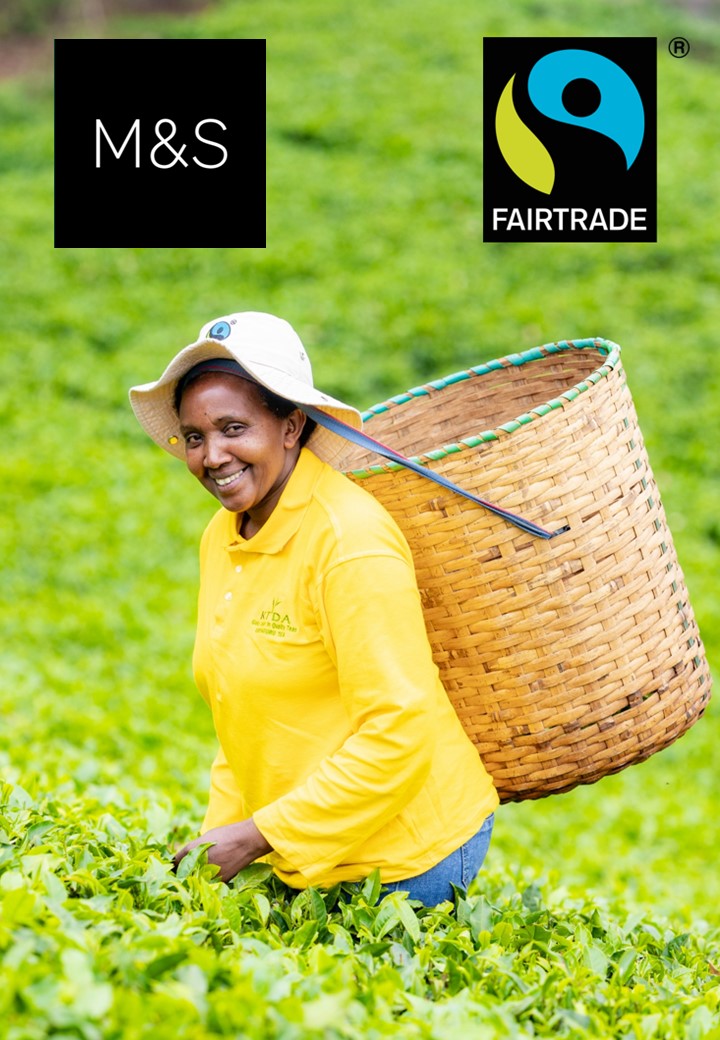
M&S monitors global issues and their impact on workers as they emerge. Supporting programmes like Fairtrade, that help improve working conditions and sustainability in the supply base, is one of the ways M&S aims to create positive change.
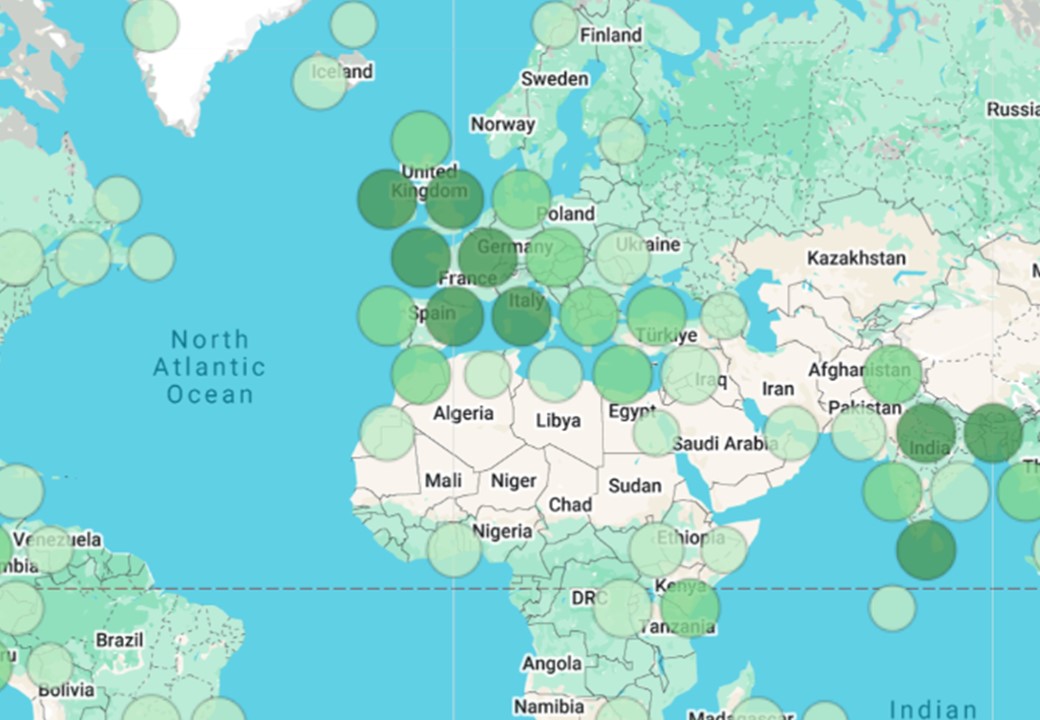
Customers want to know who makes their clothes and food, and where it comes from, so M&S have listed all the factories that supply products on an interactive map. Explore the map here: Interactive Supplier Map | Marks & Spencer.
Glossary
Supply chain - the steps involved in producing and delivering a product or service, from raw materials to finished product
Ethical – to do with how people decide what is right or wrong
Biodiversity – the variety of lifeforms found in a place
Sourcing - process of finding suppliers to provide goods and services