In 2022 M&S removed use-by dates from fresh fruit and vegetables, and in 2023 switched from use-by to best before dates on M&S Select Farms British and organic milk. Why? Because it helps to reduce food waste.
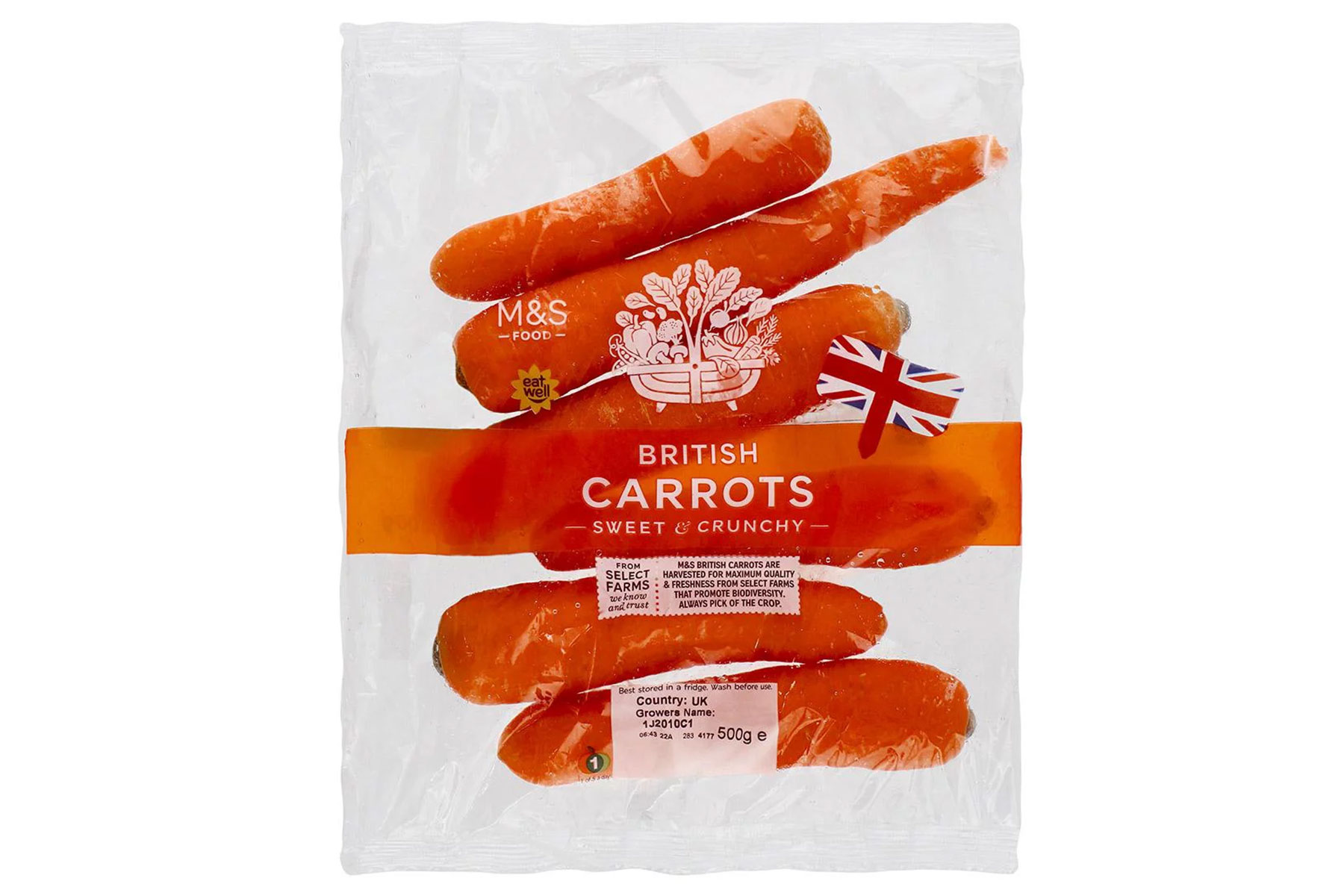
Instead of relying on a printed date, customers are encouraged to use their senses, look, smell, and taste (when appropriate), to judge whether food is still good to eat. By trusting our judgement, we can all help reduce the amount of good food that gets thrown away.

Of course, food safety still comes first. That’s why use-by dates remain on products where safety is critical, like fresh meat and ready-to-eat meals. But for things like fruit, veg and milk, cutting down on unnecessary labels is a smart, sustainable move. Alongside this M&S introduced food waste redistribution as a key target for all stores, and in partnership with food charity Neighbourly reached the milestone of 60 million meals donated to UK charities to help those in need.
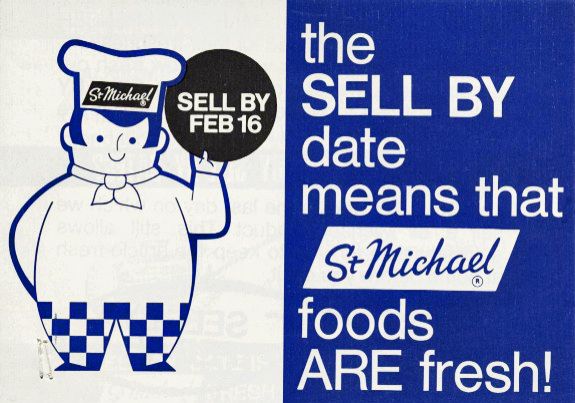
An M&S employee remembers:
'I was 17 years old when I started work at Marks & Spencer in Stevenage 1973. I was so excited as I was going to work on the food section and it was such a joy to see all the lovely food coming in. We were very strict with the date codes and would count our chickens every day, I loved every minute.'

Glossary
- Bacteria - single-celled organisms that live on, in and around most living and non-living things. They are so small they can only be seen under a microscope.
- Slaughter - the killing of animals, especially for food
- Compulsory - has to be done by everyone; required by law
- Innovation - introducing something new (design or idea)
- Food poisoning - an illness caused by eating food that contains harmful bacteria